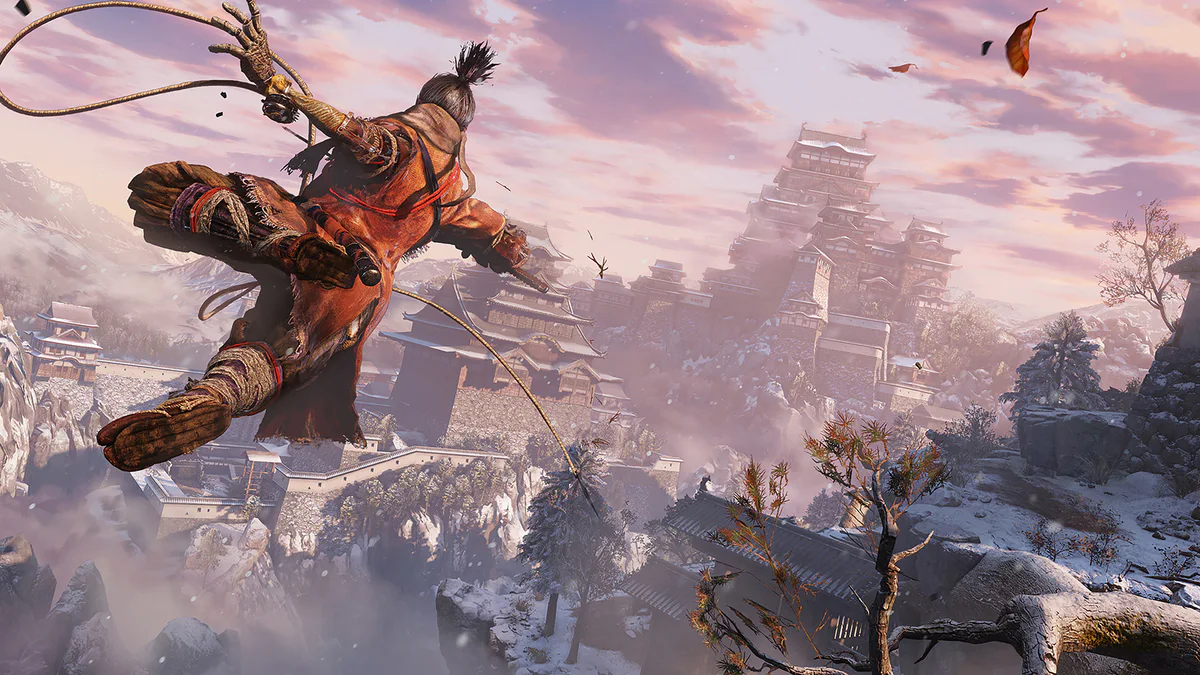
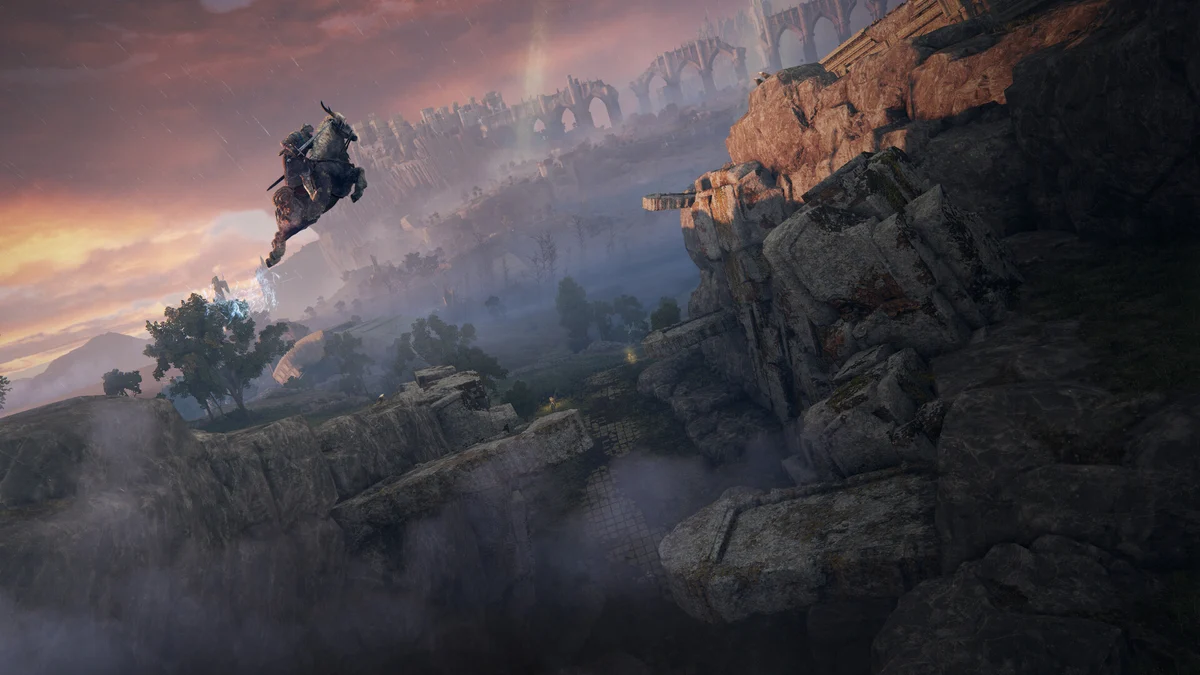
Games like Sekiro are harder to identify than games like Dark Souls because Sekiro removes many of the systems that normally define a Soulslike. The most useful alternatives are not simply difficult samurai games. They are games where defense creates offense, precise timing matters, bosses reward repeated mechanical learning, and retreat is often less effective than confidently meeting an attack.
Current 2026 recommendation pages consistently surface Lies of P, Nine Sols, Wo Long: Fallen Dynasty, Sifu, and Thymesia because each captures a different piece of that deflection-first design.
Quick recommendations
- Lies of P for Perfect Guards inside a full Soulslike RPG.
- Nine Sols for Sekiro-inspired deflection translated into a 2D Metroidvania structure.
- Wo Long: Fallen Dynasty for fast deflections, Spirit pressure, loot, and Chinese mythology.
- Sifu for pure martial-arts mastery and repetition without Soulslike RPG structure.
- Thymesia for a compact aggressive action RPG built around dodges and parries.
- Nioh 3 for Japanese settings, deep combat systems, and a much larger build sandbox.
Lies of P: closest Soulslike alternative
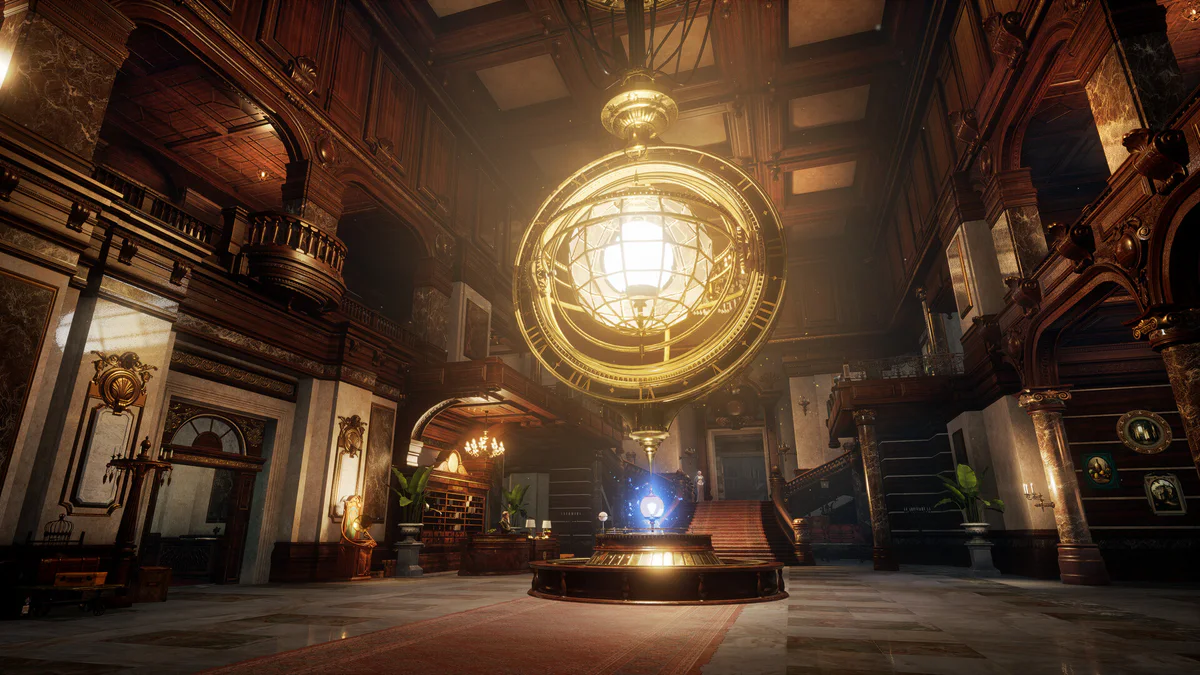
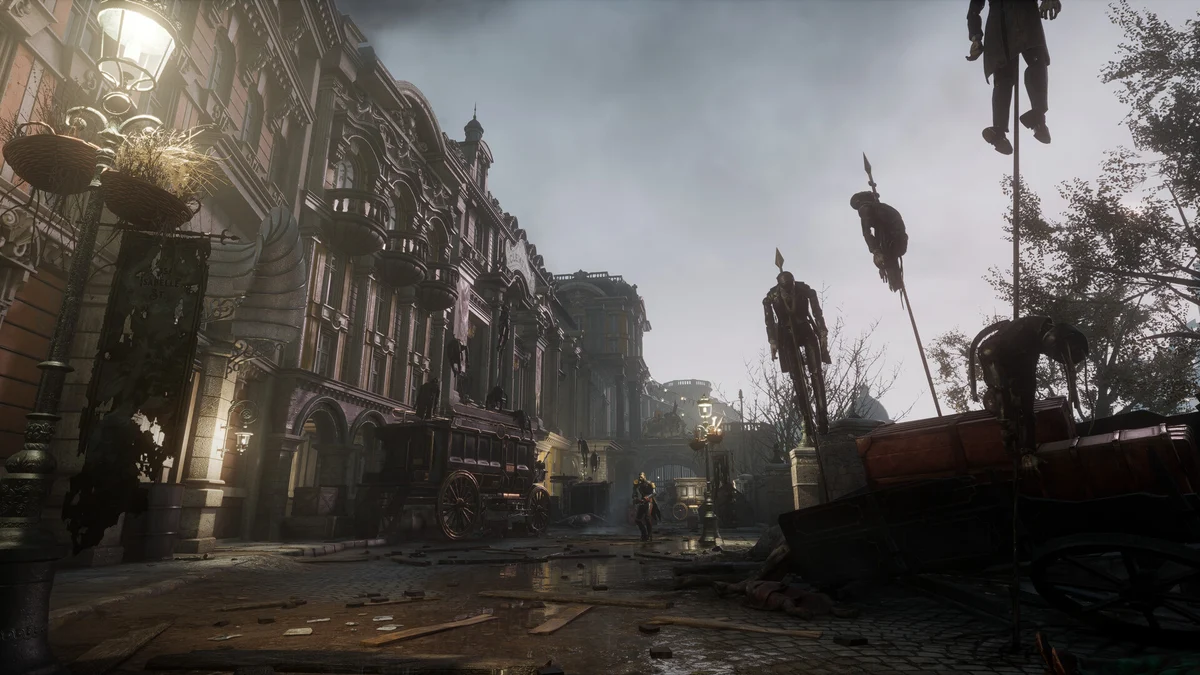
Lies of P is the most natural recommendation if you want Sekiro-like timing but still want conventional Soulslike progression. Perfect Guards reward precise defense, bosses pressure the player with long combinations, and standing your ground can be more effective than repeatedly rolling away.
The major difference is build variety. Lies of P supports weapon assembly, different handles and blades, Legion Arms, stats, and equipment choices. Sekiro largely asks the player to master one central sword language; Lies of P lets the player tune the tools around that language.
Read Lies of P for its current platforms and single-player status.
Nine Sols: Sekiro's combat idea in 2D
Red Candle Games explicitly describes Nine Sols as featuring Sekiro-inspired deflection-focused combat. That makes the similarity unusually clear.
The side view changes movement and spacing, while Metroidvania exploration introduces ability-gated routes and a different world structure. Yet the emotional core of difficult combat is familiar: read an attack, deflect at the right moment, maintain pressure, and gradually turn chaos into rhythm.
If 2D action appeals to you, also use 2D Soulslike games.
Wo Long: Fallen Dynasty: deflection plus RPG systems
Wo Long is a strong match when you want fast deflection to sit inside a more equipment-heavy action RPG. Its Spirit system rewards timely defense and aggressive responses, while gear, stats, magic, and RPG progression create more build complexity than Sekiro.
The Three Kingdoms-inspired setting also gives the game a different historical and mythological identity. It is not trying to reproduce Ashina; it is translating the idea of momentum-based defensive combat into Team NINJA's style.
Players who enjoy that studio's mechanical density should also examine Nioh 3.
Sifu: mastery without Soulslike structure
Sifu is not a Soulslike in the same structural sense, but it is one of the best recommendations if your favorite part of Sekiro is the feeling of becoming better through repetition.
Its martial-arts combat rewards parries, avoids, positioning, crowd control, and deep familiarity with enemy patterns. Runs and aging mechanics create their own form of consequence, but there are no bonfires, Souls-style builds, or dark-fantasy RPG systems.
This is a good example of why a Games Like page should match player experience rather than only genre tags.
Thymesia: compact aggression
Thymesia offers a shorter action-RPG experience with plague imagery, fast movement, parries, and aggressive combat. It cannot match Sekiro's scale or polish, but it can satisfy players who want another focused game where defensive timing is central.
Its smaller scope also makes it easier to finish between larger Soulslikes. Choose it when you want concentrated combat rather than a huge exploration commitment.
Nioh 3: much more build complexity
Nioh 3 is not a deflection-only game, but its Samurai style includes a Deflect action and its Ninja style provides fast evasive tools. The game lets you switch between these approaches instantly while managing loot, skills, equipment, and open-field exploration.
That makes it the recommendation for Sekiro players who wish Sekiro had far more character-building depth. The tradeoff is complexity: success depends on managing your own systems as well as reading enemies.
What about Ghost of Tsushima?
Ghost of Tsushima shares swords, parries, stealth, and a Japanese setting, but its design goals are different. It is broader, more cinematic, and generally more accessible. It can satisfy players who loved the fantasy of being a lethal swordsman without demanding the same boss-learning intensity.
It belongs on a similarity list when atmosphere and swordplay matter more than Soulslike structure.
What makes a game truly feel like Sekiro?
The strongest signal is not the presence of a parry button. It is whether successful defense creates forward momentum. Sekiro trains the player to read an enemy, answer directly, damage posture, and remain close enough that the opponent cannot comfortably reset.
Lies of P, Nine Sols, Wo Long, and Sifu each capture that idea differently. If you simply want hard bosses and RPG builds, the broader best Soulslike games page is more useful.
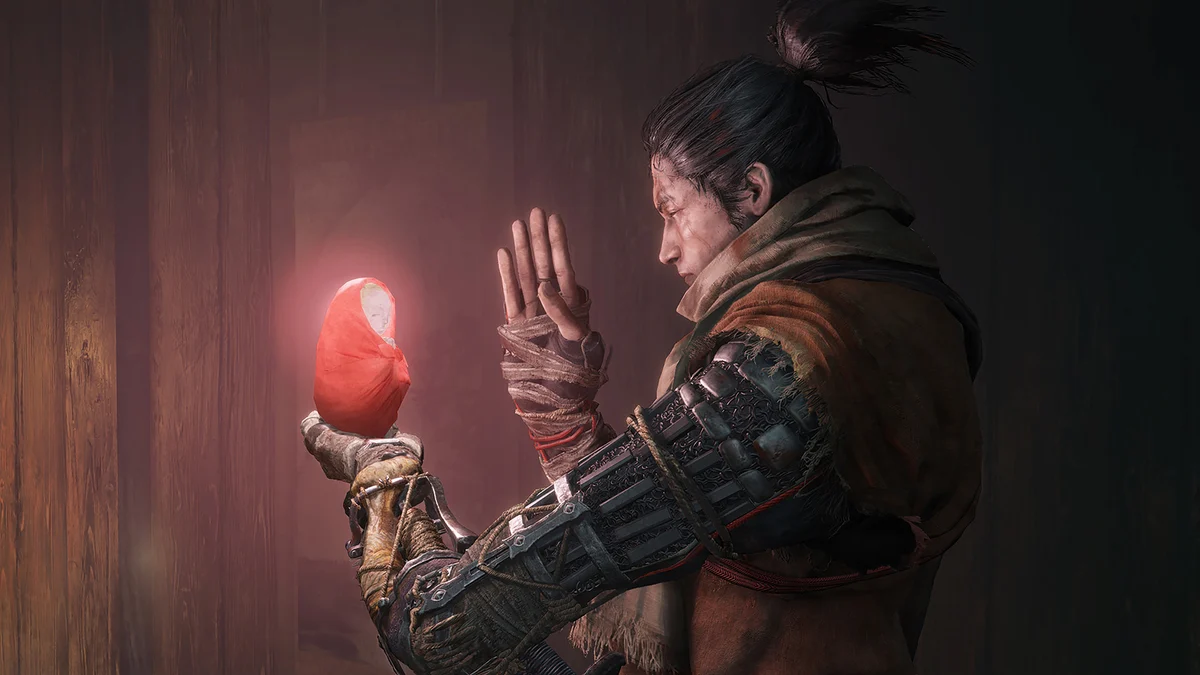
For the source game itself, see Sekiro: Shadows Die Twice.