2D Soulslikes prove that the genre is not tied to a third-person camera. The important question is whether the game preserves the risk, learning, progression, and encounter structure that make Souls-inspired design recognizable when movement is flattened into a side-scrolling or platforming space.
The category overlaps heavily with Metroidvania. That overlap can be useful, but it also creates sloppy labeling: not every difficult 2D exploration game is a Soulslike, and not every game with checkpoints and bosses needs to be called one. The best examples combine deliberate combat with meaningful death, shortcuts, exploration, build choices, and repeated boss learning.
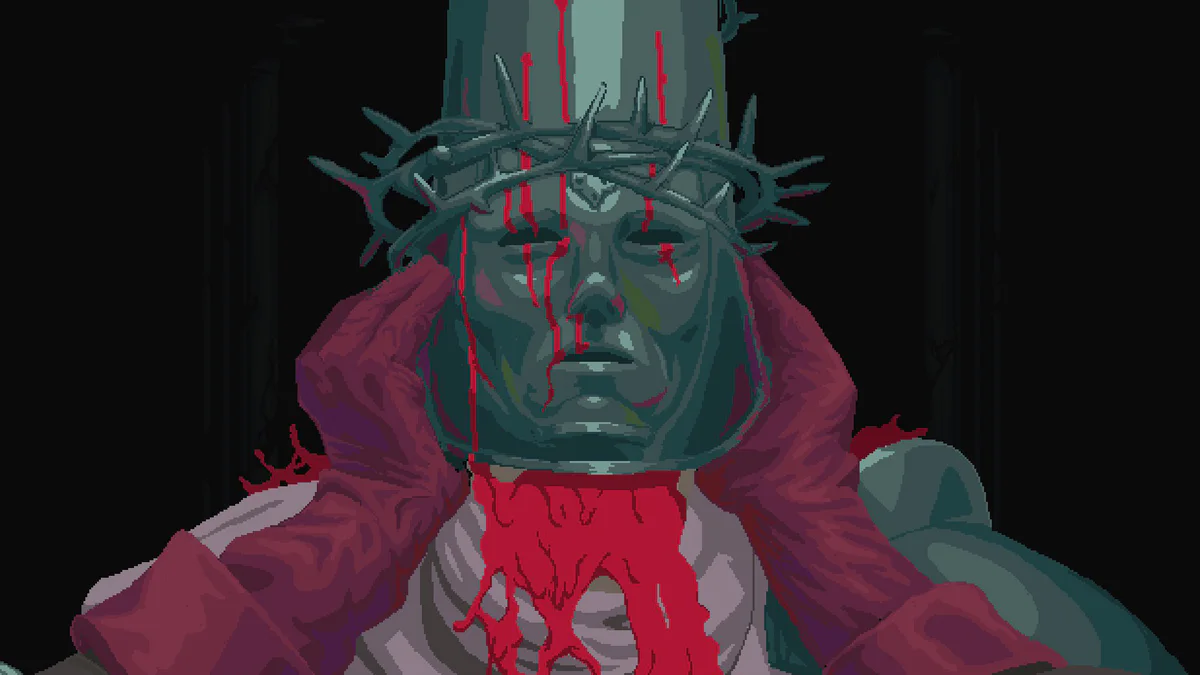
Salt and Sanctuary: the clearest classic example
Ska Studios describes Salt and Sanctuary as combining fast, brutal, and complex 2D combat with deeply developed RPG mechanics. The official site highlights more than 600 weapons, armor pieces, spells, and items, plus a cursed world full of hidden shortcuts, traps, enemies, and local co-op.
That combination makes it one of the easiest games to use when explaining 2D Souls design. The side view changes spacing and verticality, but the player still manages commitment, equipment, progression, dangerous routes, and high-pressure encounters.
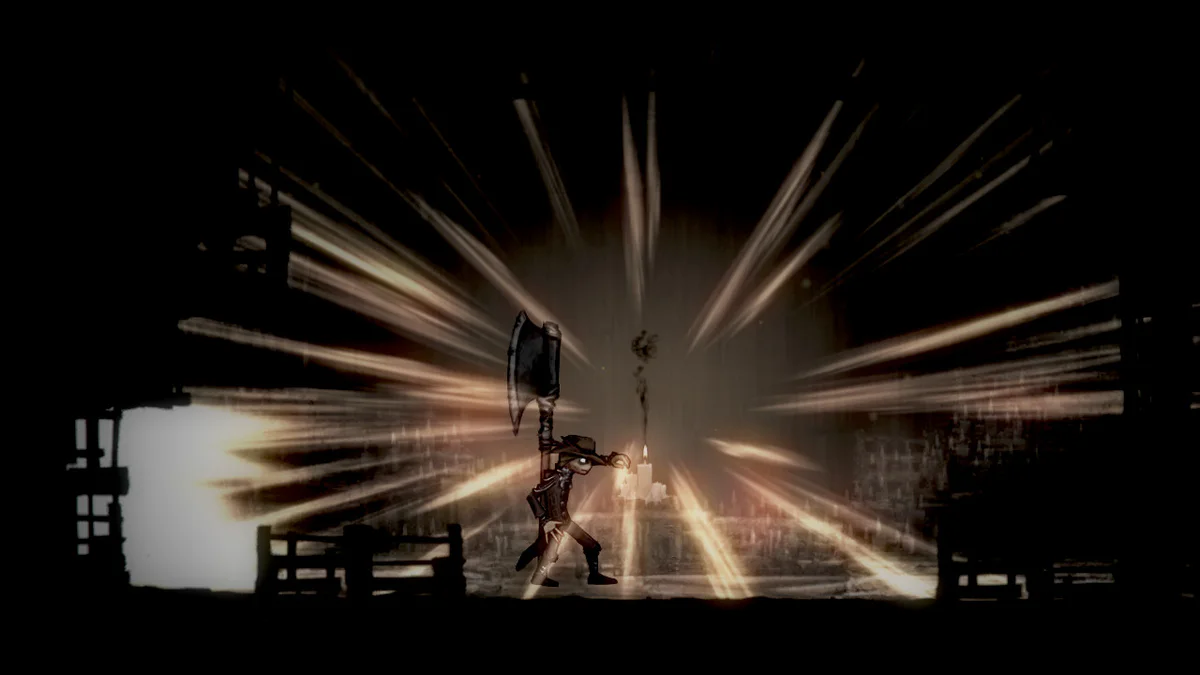
Salt and Sanctuary also demonstrates how naturally Souls structure merges with Metroidvania exploration. Shortcuts and hidden passages matter, but character growth and combat risk remain central rather than becoming secondary to traversal abilities.
Nine Sols: deflection-focused 2D action
Red Candle Games describes Nine Sols as a hand-drawn 2D action-platformer featuring Sekiro-inspired deflection-focused combat. That description is useful because it explains both the similarity and the boundary: Nine Sols does not need to reproduce Dark Souls' equipment model to appeal to Soulslike players.
The core attraction is defensive timing. Players read attacks, deflect, stay close to danger, and gradually turn difficult encounters into controlled sequences. If Sekiro is your favorite branch of the Souls family, Nine Sols is one of the strongest 2D directions to explore.
For broader parry-focused alternatives, use games like Sekiro.
GRIME: Soulslike and Metroidvania overlap
GRIME appears prominently in Souls-like discovery spaces, including itch.io's top-rated Souls-like listings. Its combat, exploration, boss emphasis, and progression systems make it relevant to players who want a darker 2D action RPG with strong Metroidvania structure.
This is where genre labels become useful only if they remain specific. A player who searches 2D Soulslike may care more about stamina-like pacing and boss learning than ability-gated traversal. Another may want both. Our feature pages therefore link outward instead of pretending one tag explains the entire game.
How a 2D camera changes Soulslike combat
A side view removes free camera rotation and makes horizontal distance easier to read, but it also changes how developers create pressure. Enemies can attack from platforms above or below, projectiles can occupy lanes, and bosses can control a larger fraction of the visible arena. Dodging is no longer about circling a 3D enemy; it becomes a question of timing, direction, elevation, and whether the player can safely cross through or around an attack pattern.
That difference matters when comparing difficulty. A 2D game may look simpler because there is less camera management, yet the designer can create extremely precise spacing challenges because the player's possible positions are easier to predict. Good 2D Soulslikes use that predictability to make attack patterns readable without making them trivial.
Browser and indie 2D Soulslikes
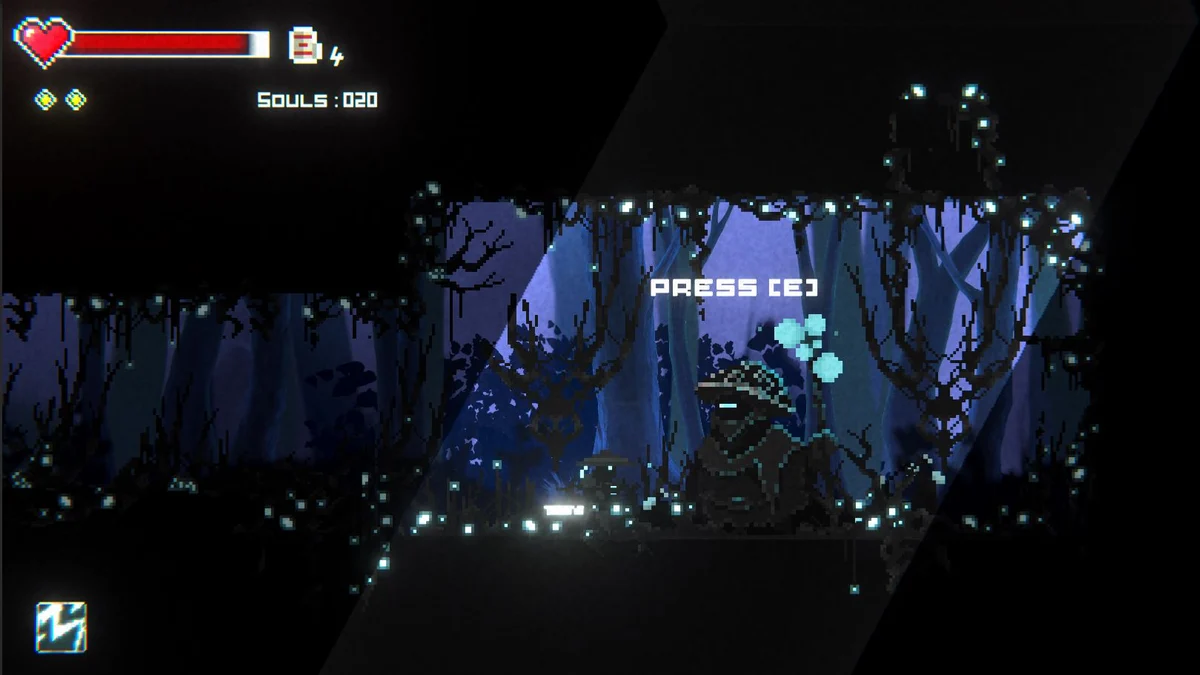
The browser scene is unusually important for this category because small developers can test one mechanic without building a huge 3D world. itch.io's free HTML5 Souls-like filter currently contains hundreds of browser projects, including side-scrolling, arena, platforming, and pixel-art experiments.
That supply connects directly to our Play Soulslike games hub. Individual browser pages remain gated until we verify third-party embedding and image rights, but the category itself is already large enough to justify curated discovery.
2D Soulslike vs Metroidvania
Metroidvania usually describes a world structured around exploration and ability-gated access: you gain movement or traversal abilities, then return to earlier spaces to open paths that were previously unreachable. Soulslike describes a different set of ideas around combat commitment, checkpoint pressure, failure, recovery, and encounter mastery.
A game can clearly be both. Salt and Sanctuary is a useful example because its world exploration and shortcuts coexist with Souls-style combat and progression. Nine Sols leans more strongly into action-platforming and deflection. The label becomes misleading only when one side of the comparison is missing and marketing or fans use the other term as a substitute.
2D does not automatically mean easier
Side-scrolling games can remove camera management, but they introduce different pressure. Platforming, vertical enemy placement, narrow arenas, projectile patterns, and the inability to circle freely around a boss can make encounters just as demanding as 3D Souls combat.
A 2D game may also have tighter reaction windows because the developer can predict more precisely where the player will stand. The useful comparison is not easier versus harder; it is what kind of information the game asks you to process.
What makes a 2D game feel Soulslike?
Look for multiple reinforcing signals: checkpoints that structure risky routes, meaningful loss or recovery after death, deliberate attack commitment, difficult bosses that reward pattern learning, build or equipment decisions, shortcuts, and a world that becomes easier as you understand it.
One dodge roll is not enough. Dark pixel art is not enough. A stamina bar is not enough. The overall loop matters.
Best choices by preference
Choose Salt and Sanctuary if you want the most direct 2D translation of classic Souls RPG systems. Choose Nine Sols if deflection timing and hand-drawn action appeal more than heavy equipment management. Explore GRIME if you want stronger Metroidvania overlap and a stranger world. Use the browser section if you want short free experiments before buying a full game.
For retro-looking titles specifically, continue to pixel-art Soulslike games. For free options, see free Soulslike games.