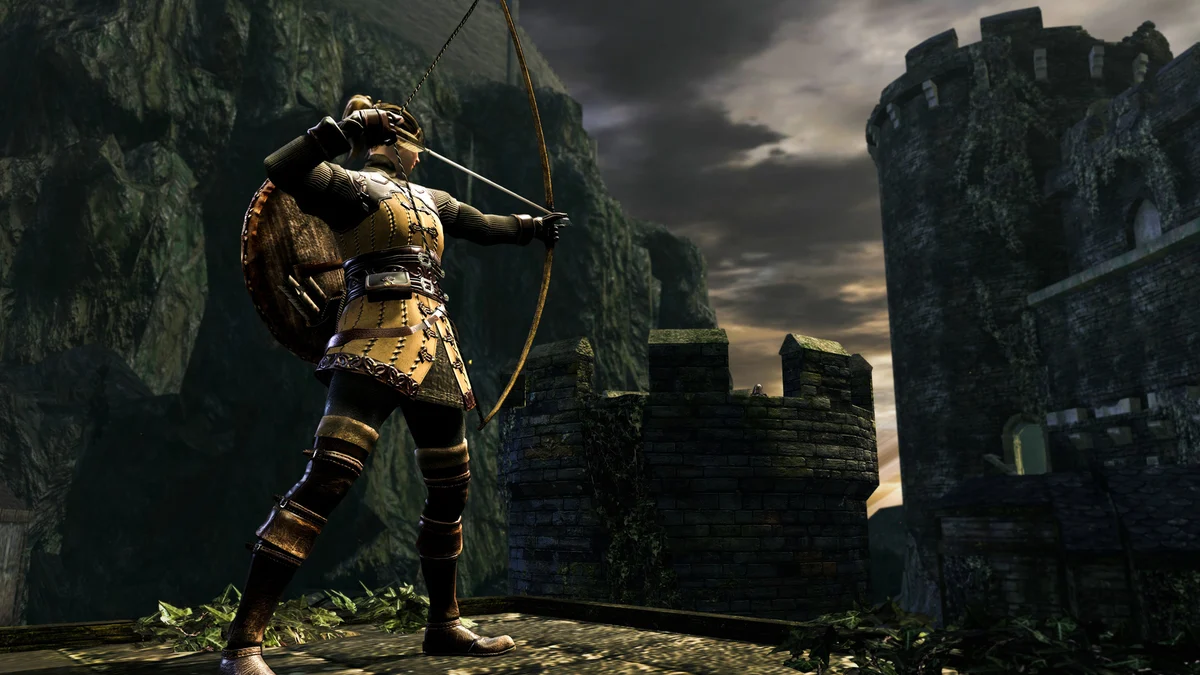
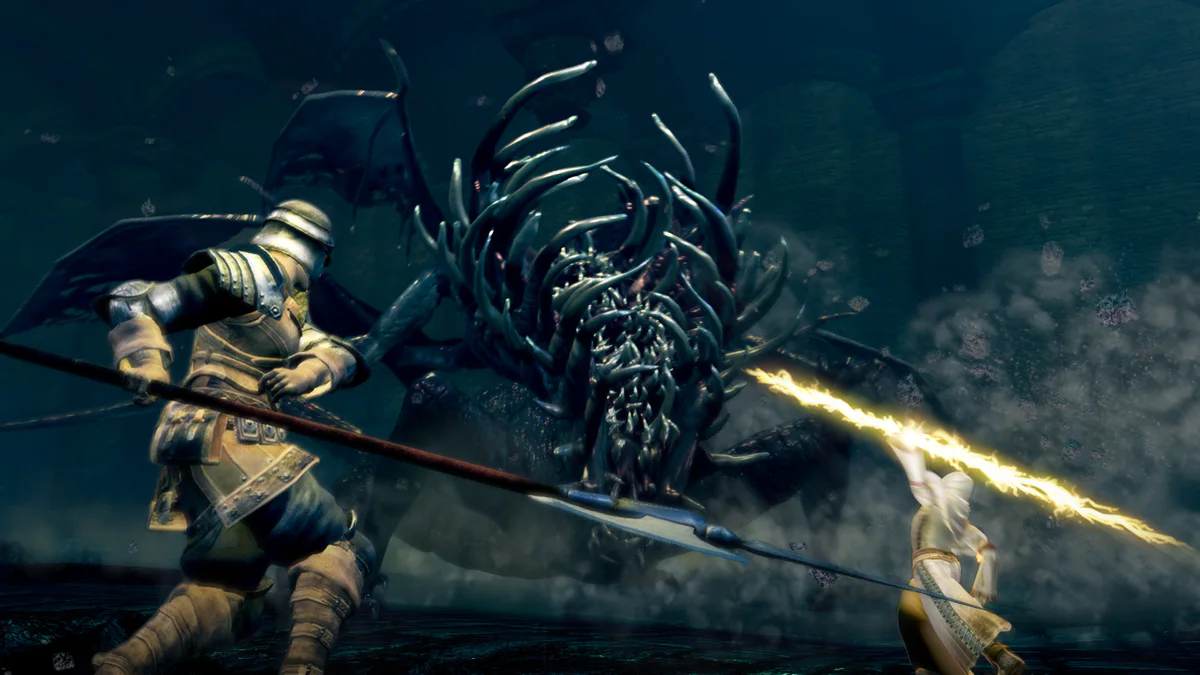
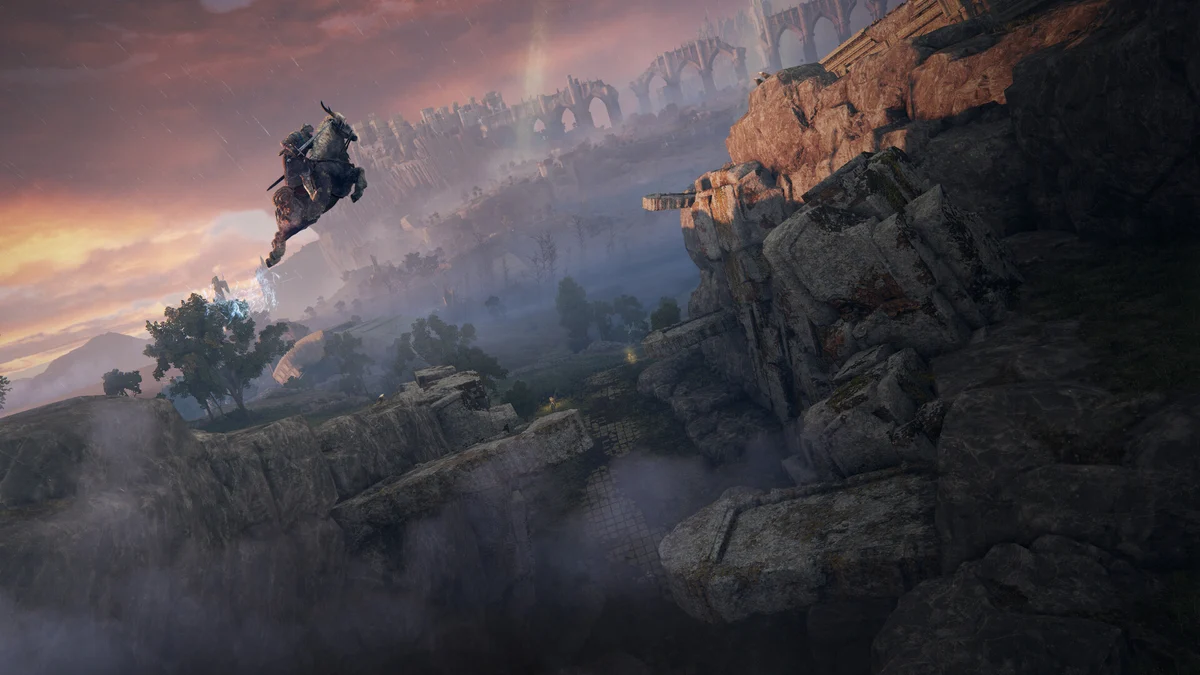
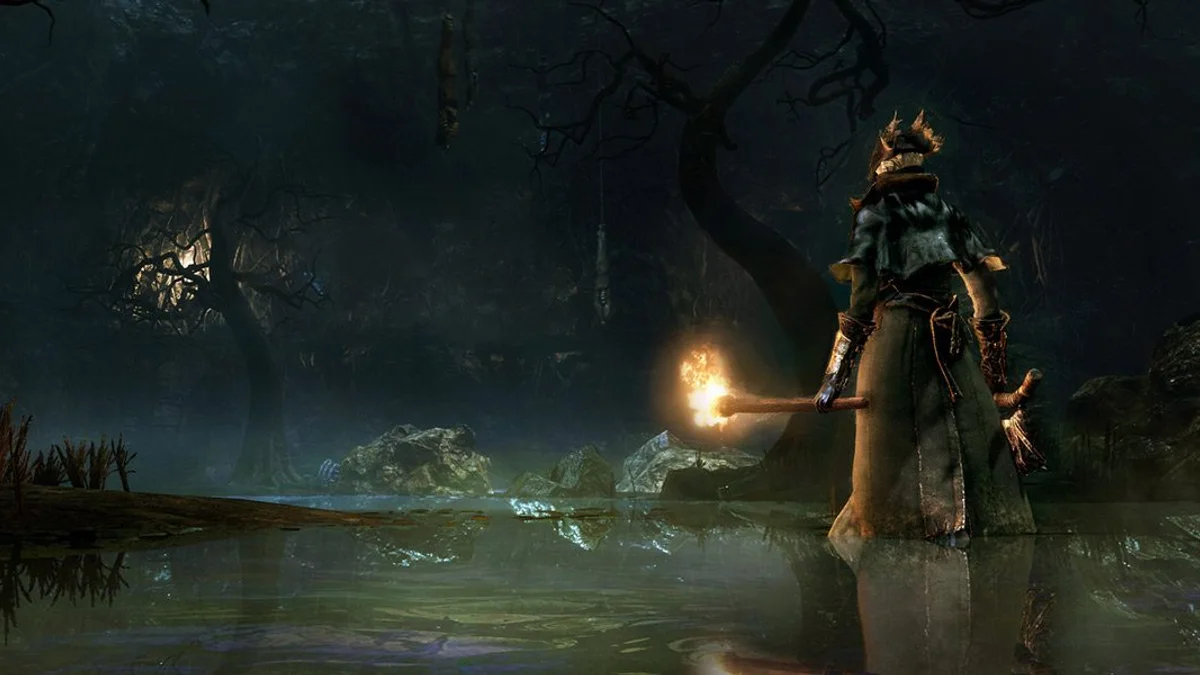
Dark Souls III is the final numbered Dark Souls game and one of the clearest bridges between the slower combat of the original Dark Souls and the faster action language that FromSoftware continued developing in later games. Bandai Namco lists it as an action RPG available on PlayStation 4, Xbox One, and PC, with an interconnected world and a unique online system integrated into the single-player journey.
The complete Fire Fades package includes the base game and both major DLC chapters, Ashes of Ariandel and The Ringed City. In 2026, Dark Souls III remains especially relevant for players who finished Elden Ring and want FromSoftware boss design in a more directed campaign.
Quick facts
- Developer: FromSoftware
- Publisher: Bandai Namco Entertainment
- Platforms: PS4, Xbox One, PC
- Genre: Action RPG
- Modes: Single-player with co-op and PvP online systems
- Complete content: Base game, Ashes of Ariandel, The Ringed City
- Core strengths: Bosses, faster sword combat, builds, interconnected areas, online invasions and summons
Faster than the original Dark Souls
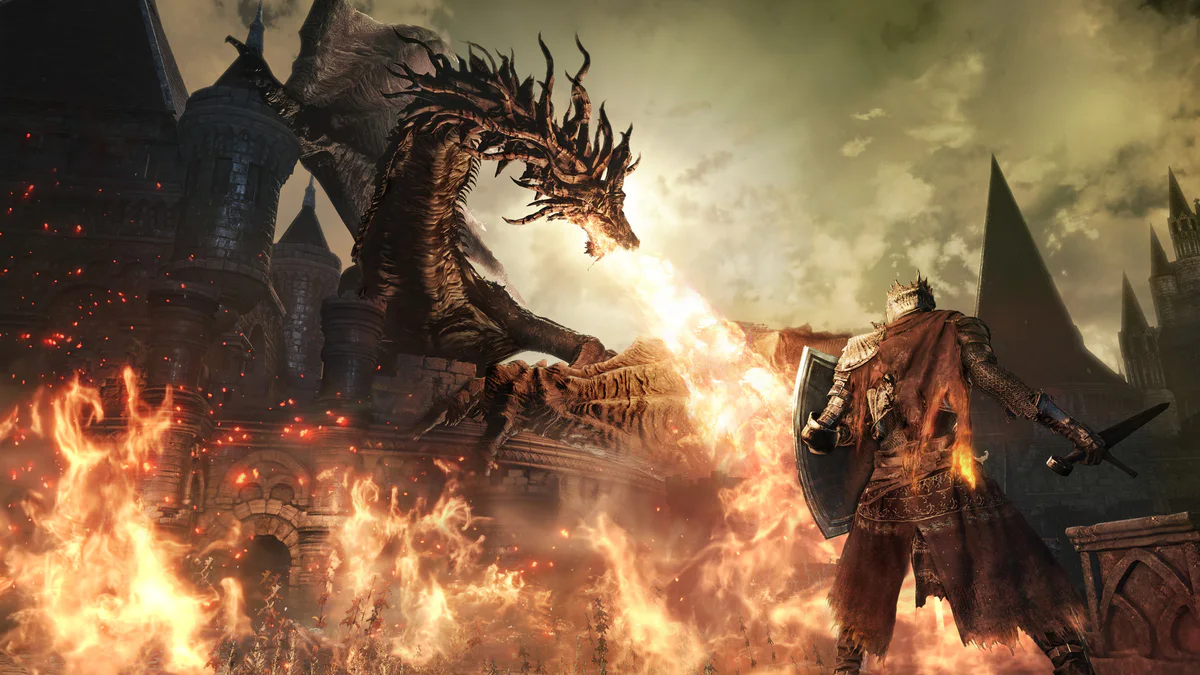
Dark Souls III retains stamina, shields, weapon scaling, equip load, spells, rolling, and deliberate attack commitment, but its combat feels noticeably faster than Dark Souls Remastered. Enemies pressure the player more aggressively, bosses use longer combinations, and rolls are central to many encounters.
That makes the game a natural recommendation for an Elden Ring player who wants a smaller and more directed FromSoftware world without dropping back to the slower rhythm of Lordran. It is also easier to compare with Bloodborne-era animation speed than with the earliest Souls games.
World structure: interconnected, but more directed
Bandai Namco describes an interconnected world, and individual zones are dense with shortcuts, secrets, NPCs, optional routes, and hidden items. The overall campaign is nevertheless more linear than Dark Souls Remastered or Elden Ring.
This changes how difficulty works. There are fewer moments where you can abandon a boss and ride to a completely different region for several hours. Progression tends to push you toward solving the current sequence of areas, which gives the game a tighter pace but fewer escape valves.
Builds and Weapon Arts
Dark Souls III supports hundreds of combinations across weapons, armor, magic, rings, shields, and stat distributions. Weapon Arts add special moves or stances that give individual weapons more active identity than a simple light/heavy attack pair.
The result is a game that can support heavy strength builds, fast dexterity setups, sorcery, pyromancy, miracles, hybrid characters, status effects, and specialized PvP configurations. Compared with Elden Ring, the build sandbox is smaller, but the core logic is familiar.
Bosses are a major reason to play
Dark Souls III concentrates much of its identity in boss fights that combine clear visual themes with increasingly fast attack sequences. The best encounters reward spacing, roll timing, stamina awareness, and understanding phase transitions rather than pure character stats.
Players coming from Elden Ring often find the boss design immediately readable because many later FromSoftware ideas have roots here. Players coming from Dark Souls Remastered may notice that defensive passivity is less reliable against longer combinations and aggressive gap-closing attacks.
Online co-op and PvP
Bandai Namco says the game can be played solo or with co-op and PvP multiplayer, and its online interactions are woven into the single-player world. Summon signs, invasions, covenants, messages, and other asynchronous elements create the familiar Souls sense that another player's world is close to yours without turning the game into a permanent co-op campaign.
If you need persistent shared progression, compare co-op Soulslike games rather than assuming Dark Souls III works like a modern shared campaign.
How does it compare with Dark Souls Remastered?
Dark Souls Remastered is stronger as a lesson in interconnected world design and slower commitment-heavy combat. Dark Souls III is faster, visually more modern, and more boss-focused. The first game's world can feel like a puzzle you gradually memorize; the third game's campaign often feels like a sequence of increasingly demanding combat spaces.
Use Dark Souls Remastered for the foundational game or games like Dark Souls if you want alternatives outside FromSoftware.
Is Dark Souls III beginner-friendly?
It can be a good first Souls game for players already comfortable with modern third-person action. The interface and combat feel more contemporary than the original Dark Souls, and progression is easier to follow geographically. However, the tighter route structure gives you fewer opportunities to escape a difficult mandatory encounter.
For maximum flexibility, Elden Ring remains the broader beginner recommendation. See Soulslike games for beginners for that comparison.
Who should play Dark Souls III?
Play Dark Souls III if you want fast FromSoftware sword combat, memorable bosses, a dark-fantasy campaign with less open-world wandering, deep builds, and classic Souls multiplayer. It remains one of the strongest answers to what should I play after Elden Ring when the combat and bosses mattered more than the size of the map.
For the broader current shortlist, use best Soulslike games.