Co-op Soulslikes can look similar on a store page and feel completely different in practice. One game may let a friend join for a boss and disappear afterward. Another may support long uninterrupted sessions. A third may save the guest's character progression but not world progress. For players buying specifically to play together, these differences matter more than a generic multiplayer tag.
The best current examples show several models. Lords of the Fallen has developed toward shared-progression co-op and a Friend's Pass. Remnant II is designed around solo or three-person co-op across dynamically generated worlds. Elden Ring uses the more traditional FromSoftware summon-and-invasion structure. Nioh 3 supports online multiplayer but has its own restrictions, including no cross-play in KOEI TECMO's official demo documentation.
What should you compare in a co-op Soulslike?
We use five practical criteria: session persistence, world progression, character progression, friend access, and platform compatibility.
Session persistence asks whether two players can stay together through normal exploration or must repeatedly resummon. World progression asks whose bosses, quests, areas, and checkpoints count. Character progression covers loot, experience, and upgrades. Friend access includes passes or free guest systems. Platform compatibility covers crossplay and ecosystem restrictions.
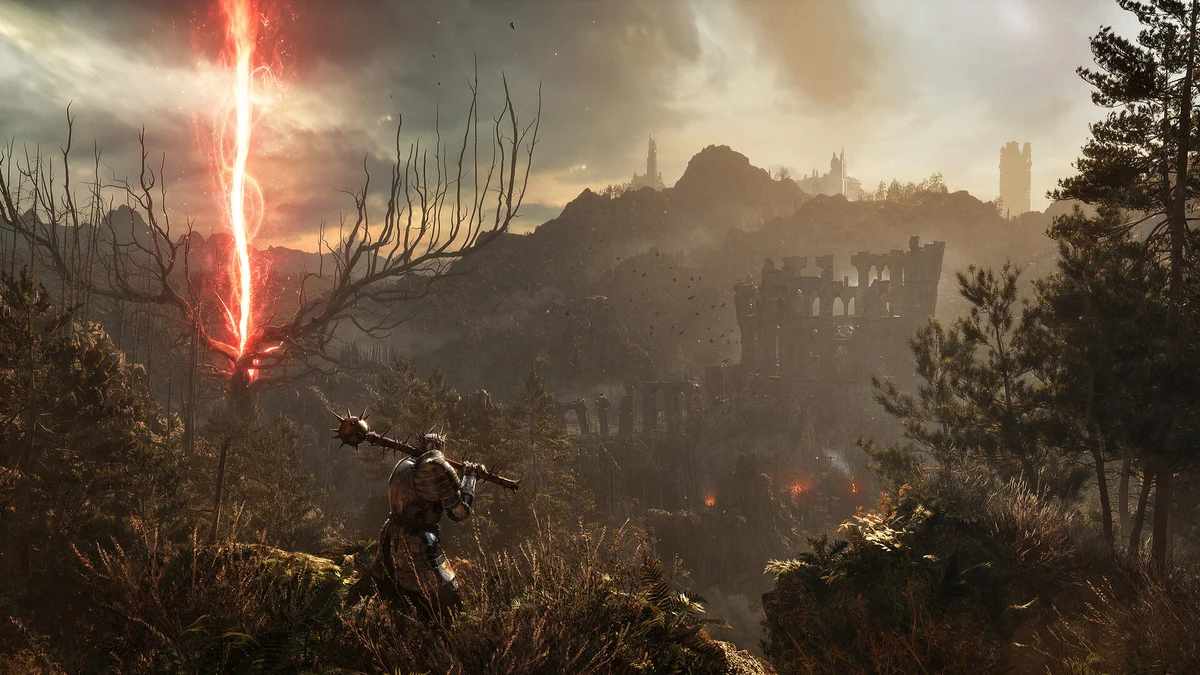
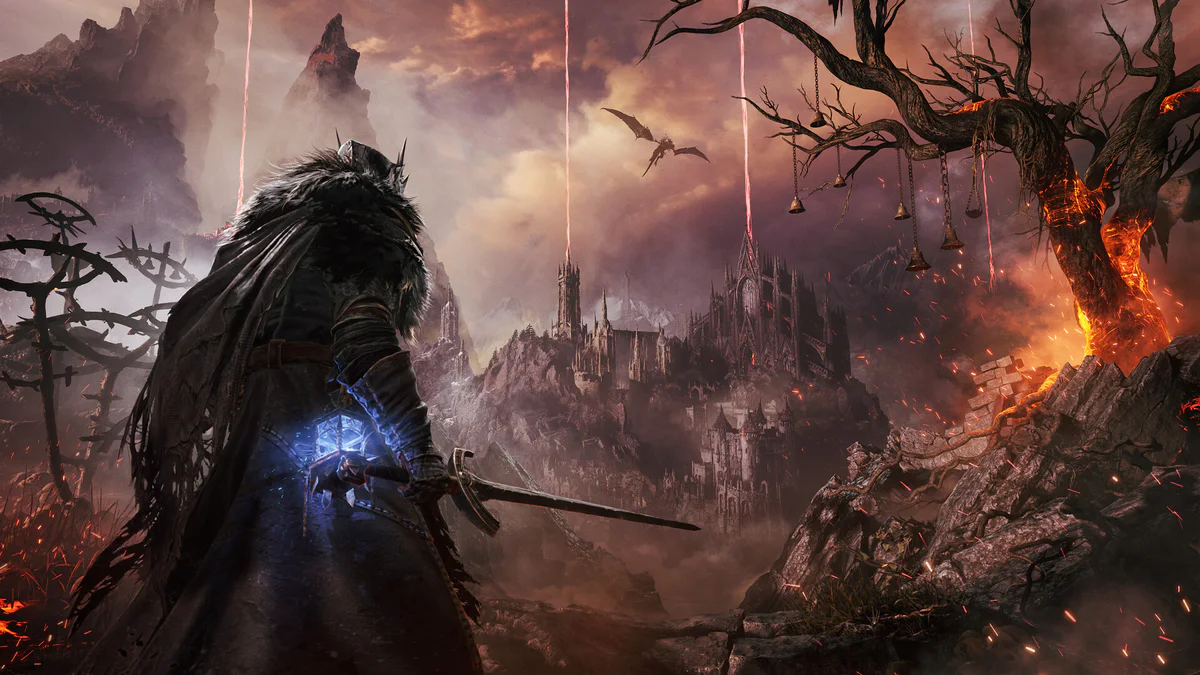
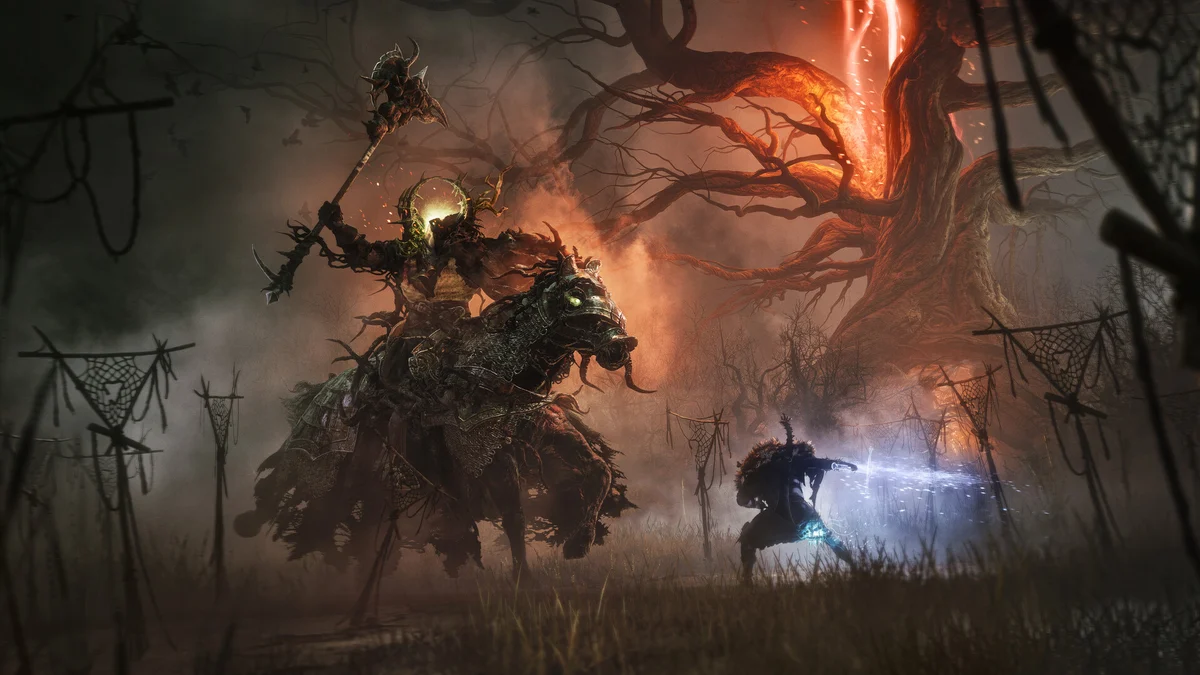
Lords of the Fallen: strongest shared-progression example
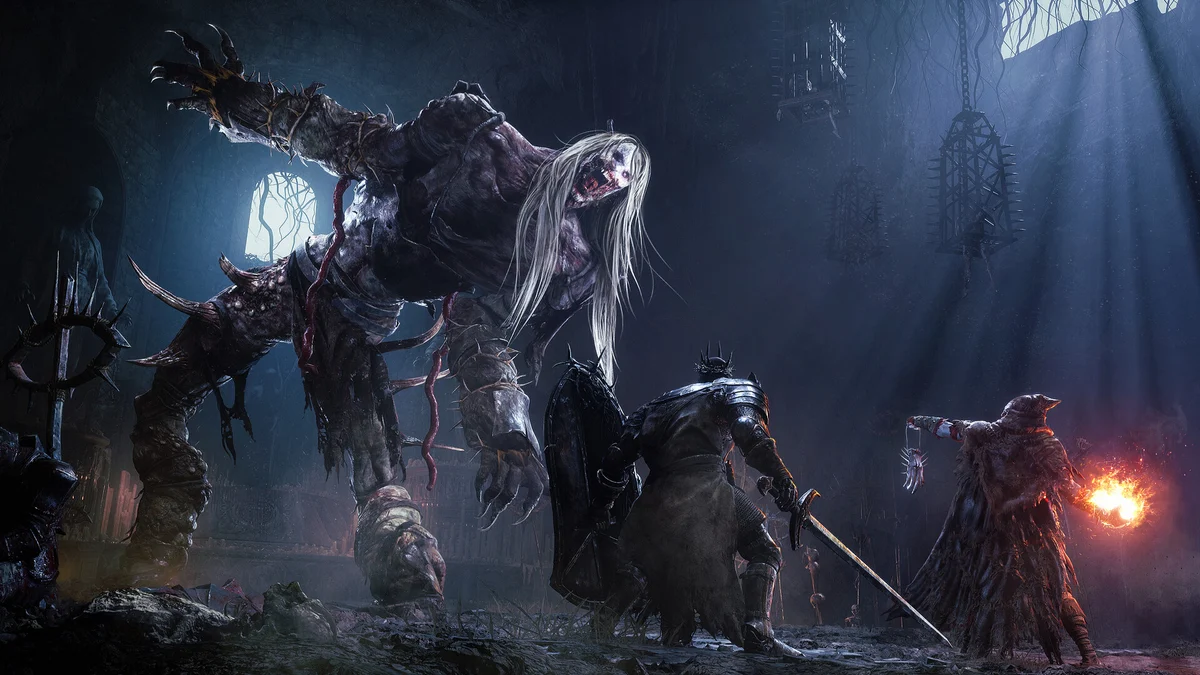
Lords of the Fallen has changed substantially since its 2023 launch. The official April 2026 Co-op Update says the game originally launched with seamless co-op, added Full Shared-Progression Co-op in April 2025, and introduced a Free Friend's Pass in Version 2.0.
Shared progression means both players can preserve mainline progress when their saves meet the required conditions, rather than treating one person as a disposable guest. The Friend's Pass also lets an owner invite someone who does not own the base game.
That combination makes Lords of the Fallen one of the clearest choices for players who want a Soulslike campaign to feel closer to a conventional two-player adventure. See our Lords of the Fallen profile as that page comes online.
Remnant II: built around three-person co-op
Gunfire Games describes Remnant II as playable solo or in co-op with two other friends. Its dynamically generated worlds, branching quest lines, loot, Archetype system, and difficult bosses are designed to support repeated group play.
Remnant II is not a traditional melee-first Dark Souls clone; ranged weapons are central. But its methodical combat, bosses, checkpoints, buildcraft, and repeated world exploration make it highly relevant to players asking for Soulslike co-op.
It is especially attractive if you want the group itself to be part of the intended design instead of a secondary summon feature.
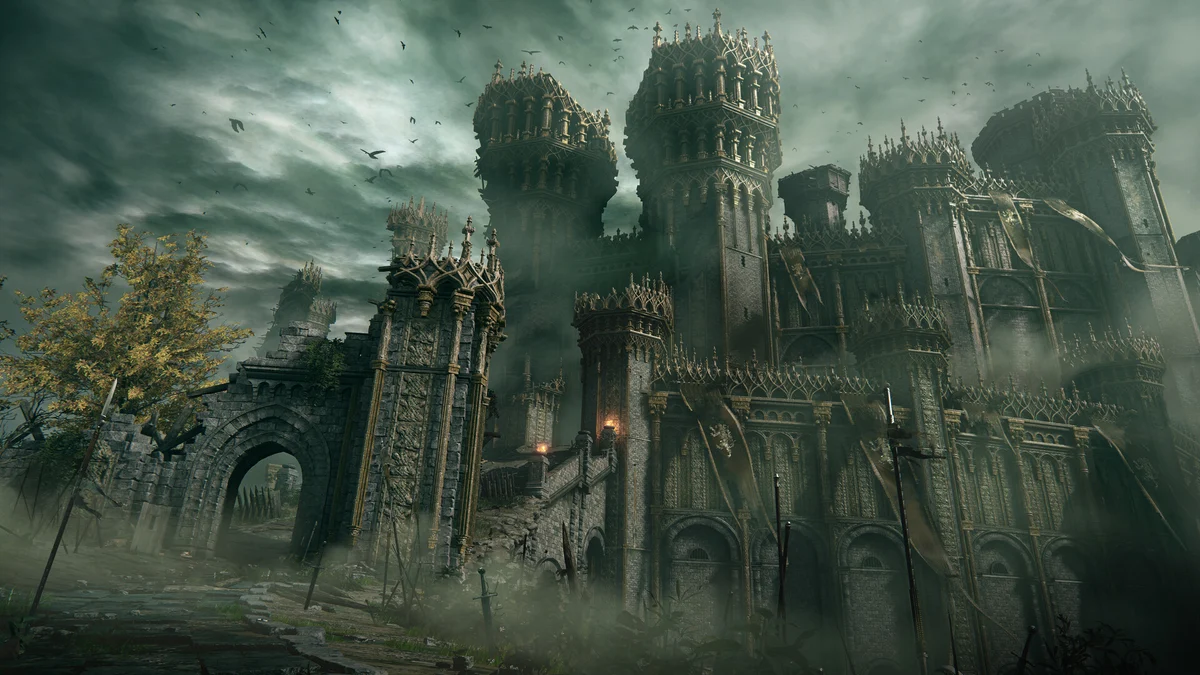
Elden Ring: excellent game, more structured co-op
Bandai Namco lists Elden Ring with online multiplayer support, but the experience follows FromSoftware's established language of summons, signs, invasions, passwords, and specific multiplayer boundaries rather than an always-together campaign.
That model can be great when you want help with a region or boss, but players expecting a seamless story co-op game should research the exact current rules before buying two copies.
Elden Ring remains one of the best games in the genre overall; it is simply not the benchmark for persistent co-op. Read Elden Ring for its broader feature set.
Nioh 3: co-op with system restrictions
KOEI TECMO's January 2026 demo announcement supported solo play and online multiplayer for up to three players. The same official announcement explicitly states that cross-play is not supported.
The full game combines complex combat, loot, Samurai and Ninja style switching, and broad exploration, which can make co-op appealing to groups who enjoy optimizing builds together. However, players on different ecosystems need to pay attention to platform restrictions.
See Nioh 3 for the current release profile.
Summon co-op vs shared-progression co-op
These models solve different problems. Summon systems preserve a sense of individual worlds and make online interaction feel mysterious or temporary. Shared-progression systems prioritize convenience for two players who want to experience the campaign together.
Neither approach is automatically better. A solo-first player may prefer Elden Ring's boundaries because multiplayer remains optional and contextual. A pair of friends buying specifically for weekly sessions may strongly prefer Lords of the Fallen's shared progression.
What about invasions and PvP?
Co-op and PvP often overlap in Souls design. Some games allow invasions during online play, creating risk when a party gains the advantage of multiple human players. Others separate competitive modes from campaign co-op.
If your primary interest is competitive or mixed online systems rather than playing through a campaign with a friend, use multiplayer Soulslike games instead.
Best co-op Soulslike by use case
Choose Lords of the Fallen if shared campaign progression and a Friend's Pass are the priority. Choose Remnant II if you want a game designed around teams of up to three and are comfortable with shooter-heavy combat. Choose Elden Ring if you want one of the strongest overall Soulslike experiences and are comfortable with structured summoning. Choose Nioh 3 if you want dense combat and build systems, while checking platform compatibility first.
For general platform selection, see PC Soulslike games and PS5 Soulslike games.