Multiplayer in Soulslikes is not one feature. It can mean temporary co-op summons, invasions, arena PvP, persistent shared progression, three-player expeditions, or session-based cooperative survival. Two games can both advertise online multiplayer while offering completely different experiences.
That is why this page compares the structure of multiplayer rather than simply listing games with an online tag. If your only goal is a campaign you can finish with one friend, our narrower co-op Soulslike games guide may be the better starting point.
Elden Ring: traditional Souls multiplayer at large scale
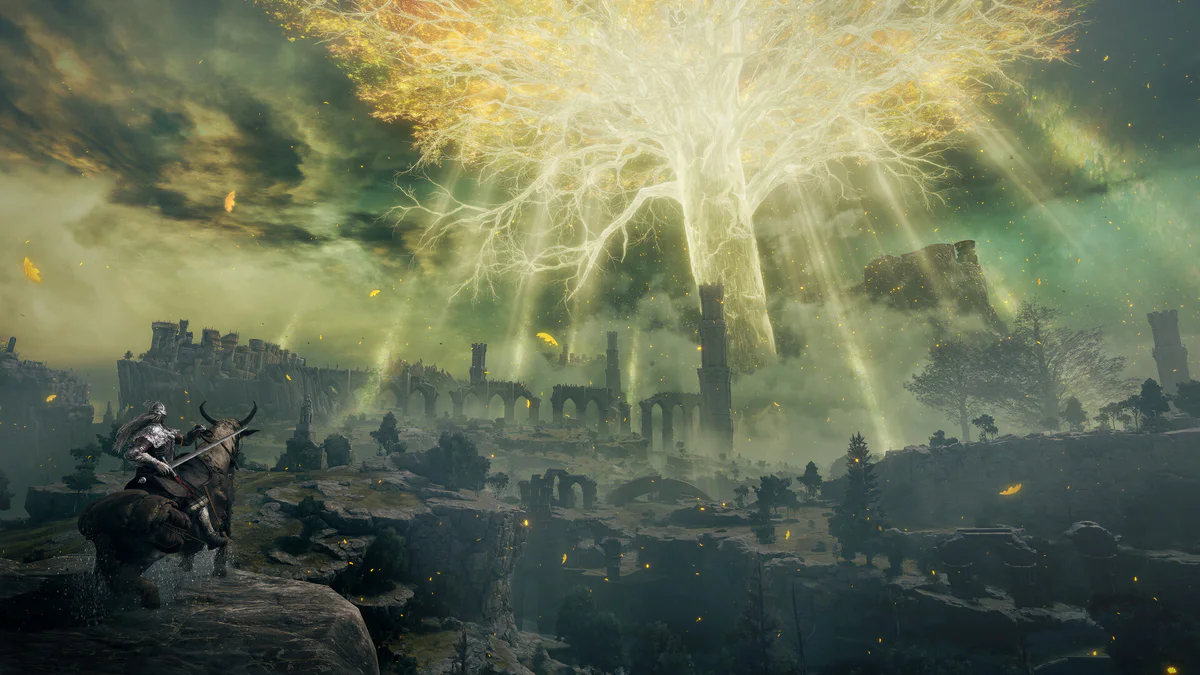
Bandai Namco currently lists Elden Ring as single-player with support for up to three online players and up to six in arenas. Its multiplayer includes cooperative and competitive modes, summons, invasions, passwords, and arena combat.
The original launch description says summoned players can help with difficult encounters or explore together, but the system remains structured around FromSoftware's traditional online language rather than an always-persistent shared campaign.
That makes Elden Ring one of the strongest overall multiplayer-enabled Soulslikes while still requiring players to understand when and how online sessions begin or end. See Elden Ring for the game-level profile.
Lords of the Fallen: persistent co-op direction
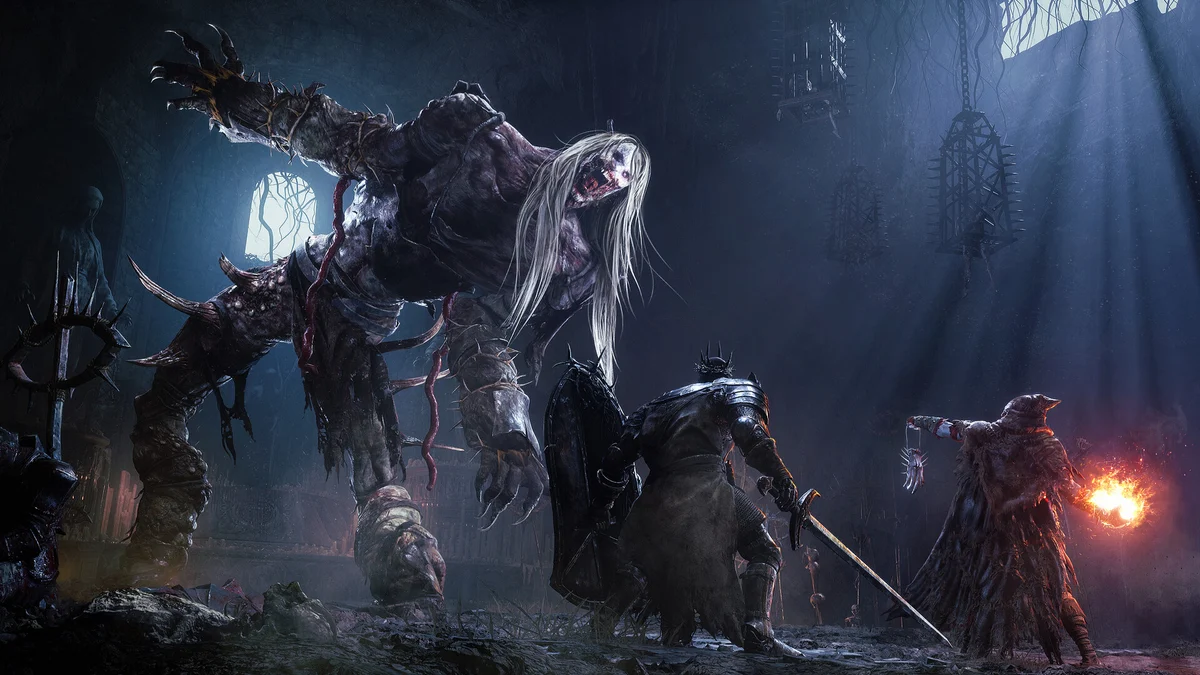
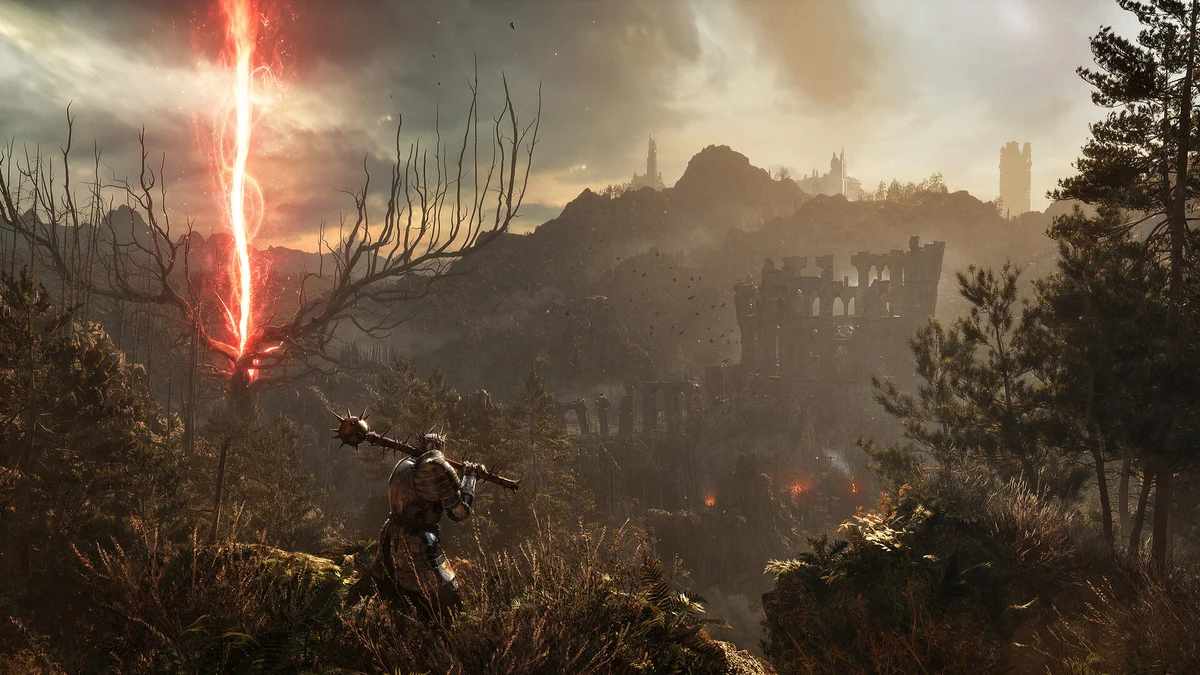
Lords of the Fallen has moved further toward a conventional shared adventure through post-launch updates. CI Games added full shared-progression co-op under defined save conditions and introduced a Friend's Pass, allowing an owner to invite another player without requiring both people to own the base game.
The current Steam and Xbox listings also expose online co-op, PvP, and cross-platform multiplayer capabilities. For players who prioritize staying together through long sessions, this is a fundamentally different value proposition from short-lived summons.
Nioh 3: Expeditions and visitor help
KOEI TECMO's current Nioh 3 page describes two online approaches: Summon Visitor, where players can seek or provide assistance, and Expeditions, which allow players to explore open fields together.
The January demo documentation supported online multiplayer for up to three players and explicitly stated that cross-play was not supported. Platform compatibility therefore matters if a group is split between PS5 and PC.
See Nioh 3 for its combat and platform details.
Remnant II: co-op is part of the core design
Gunfire Games describes Remnant II as playable solo or in co-op with two other friends. The game combines methodical ranged and melee combat, difficult bosses, gear optimization, procedurally varied worlds, and an Archetype system.
It is less like Dark Souls visually and mechanically than some entries here because firearms are central, but multiplayer is much more fundamental to its design. Bosses and world exploration are explicitly framed around either solo play or a three-person team.
For players who want repeated co-op sessions rather than occasional summons, Remnant II deserves consideration even if it sits on the edge of the strictest Soulslike definition.
Elden Ring Nightreign: multiplayer-first FromSoftware structure
Nightreign is a standalone game in the Elden Ring universe designed around three-player co-op. Bandai Namco describes sessions in a changing land, distinct heroes, team synergy, and a Nightlord boss at the end of the expedition.
This is multiplayer as the main product rather than a layer added to a single-player campaign. It is therefore useful to compare with Remnant II or other session-based games, not only with the base Elden Ring.
Nightreign also shows why the Soulslike ecosystem is diversifying. FromSoftware itself is experimenting with online structures that move far away from the lonely pilgrimage associated with early Souls games.
PvP, invasions, and arenas
Competitive play can be integrated into the campaign through invasions or separated into dedicated arenas. Elden Ring supports both broader online interaction and arena player counts. Lords of the Fallen combines co-op with PvP systems. Other games focus almost entirely on cooperative play.
If you dislike invasions, check whether a game's current settings let you control or avoid them in the mode you intend to play. If PvP is the reason you are buying, check whether the player base and matchmaking remain active on your platform.
Crossplay is not guaranteed
Cross-platform multiplayer has become more common, but it is not universal. Lords of the Fallen exposes cross-platform capabilities on current storefronts, while Nioh 3's official demo documentation explicitly says cross-play is not supported.
Never assume that two copies of the same game can play together just because both versions have online multiplayer. Verify the exact platform pair.
Multiplayer can change after launch
Online features are more likely than single-player fundamentals to evolve through patches. Matchmaking rules, shared-progression systems, player-count limits, anti-cheat, cross-platform support, and Friend Pass programs can all change after release.
That is why Soulslike Wiki records a verification date on multiplayer pages. A launch review may correctly describe the game as it existed on day one and still be wrong about the current co-op experience years later. Lords of the Fallen is a strong example because major updates substantially expanded how its co-op works.
Best multiplayer Soulslike by intent
Choose Lords of the Fallen if shared campaign progression matters most. Choose Elden Ring if you want a huge single-player Soulslike with robust optional online systems. Choose Nioh 3 for complex combat with visitor help and Expeditions. Choose Remnant II for three-person co-op with firearms and procedural worlds. Choose Nightreign when you want a FromSoftware game designed around team sessions from the start.
For a simpler friend-focused comparison, continue to co-op Soulslike games.