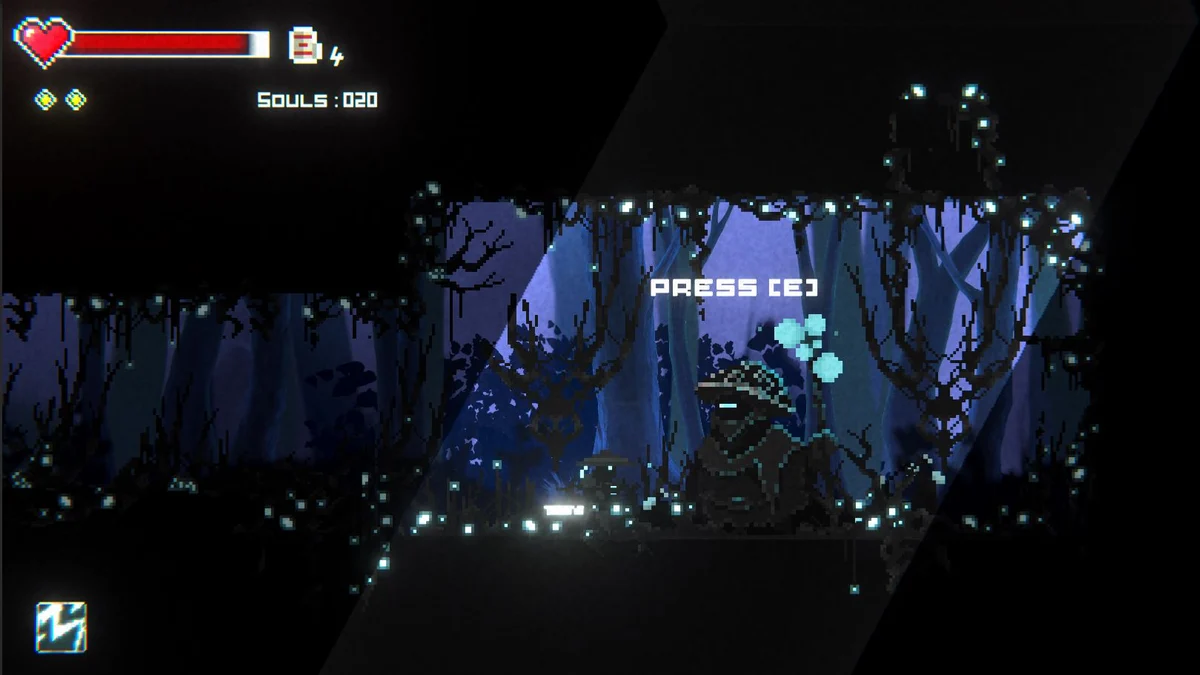
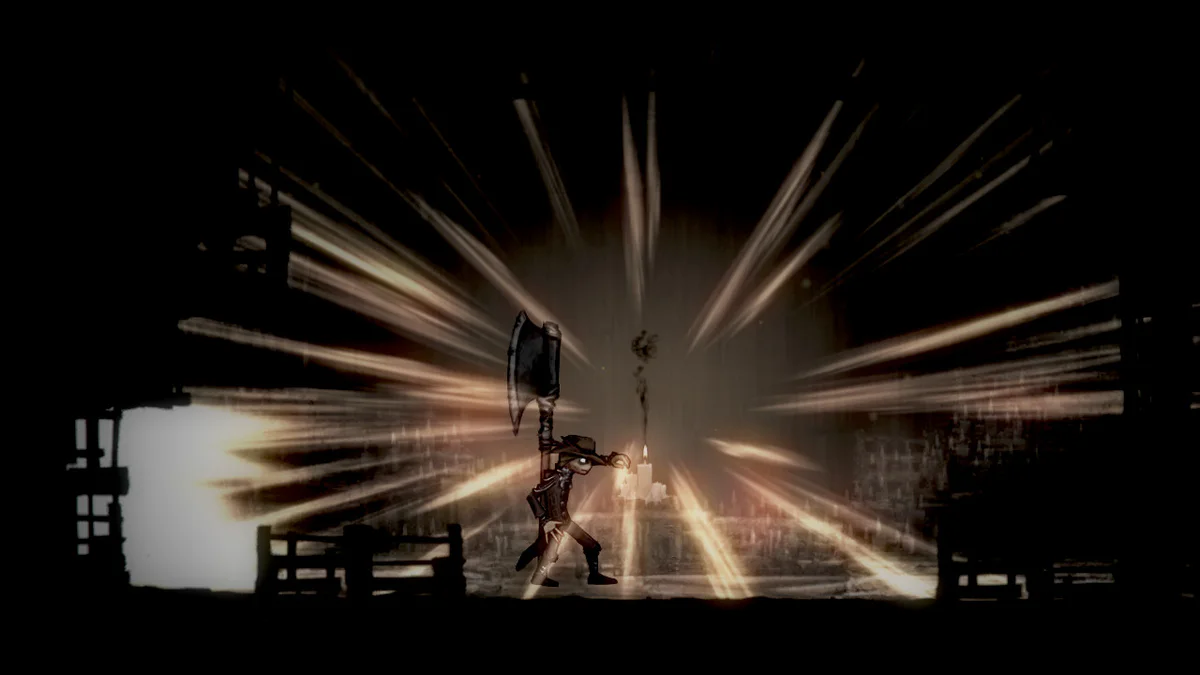
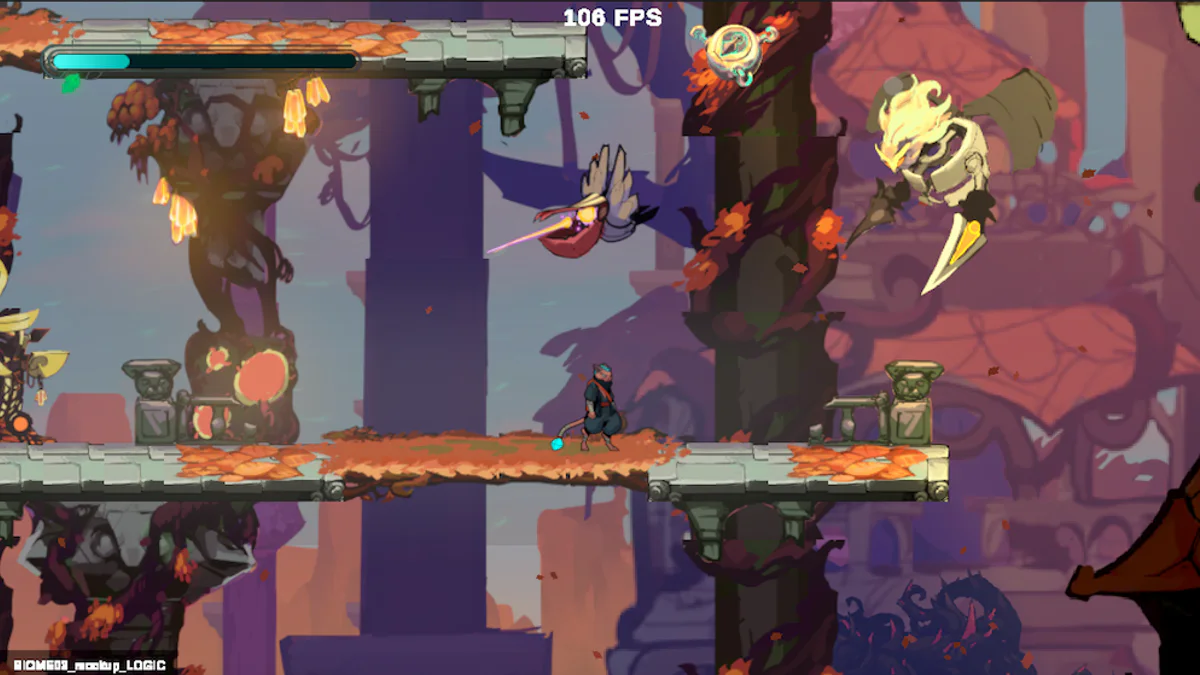
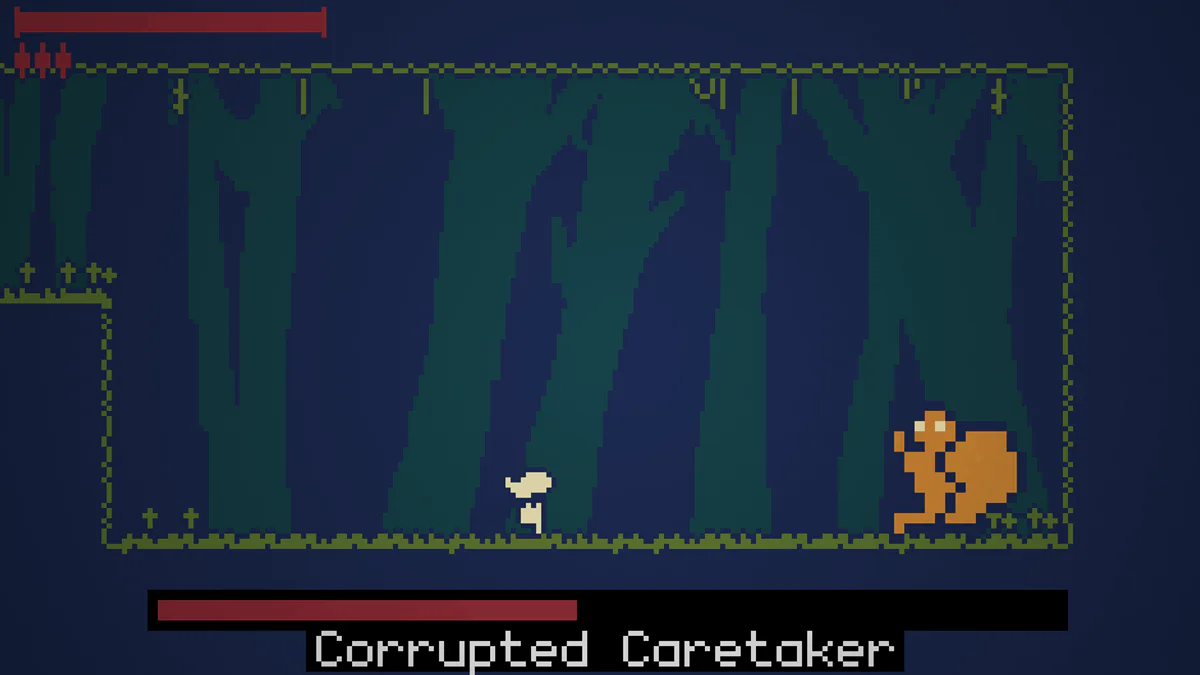
The Last Astronomer is a small 2D Metroidvania prototype built around a tight interconnected world, exploration, secrets, dodge-based combat, healing, and a Souls-like tag. It was created for Metroidvania Month 26, and the developer is explicit that the project is unfinished: the current release is a prototype, not a promised full campaign.
That honesty makes it easy to recommend in the correct context. You can play it in a browser, understand its core movement and combat ideas in one sitting, and decide whether the combination of Metroidvania exploration and Souls-inspired pressure appeals to you.
Can you play The Last Astronomer online?
Yes. The official itch.io page has an HTML5 build and a Windows download. The developer recommends a gamepad, although keyboard controls are fully documented and all controls can be remapped through the options menu.
Soulslike Wiki does not host the runtime. The page can optionally load the official itch.io project widget after you click it; the developer-page link remains the fallback.
The game is marked Prototype. The developer says it is currently unfinished and leaves open whether development will continue. Treat what exists as a complete prototype experience rather than assuming more zones or bosses are guaranteed.
Controls
Keyboard movement uses WASD or the arrow keys. Jump is Space, W, or Up. Attack is J or Z. Dodge is K or X. Heal is L or C. Tab opens the map. Xbox and PlayStation layouts are also documented, with familiar face buttons for jump, attack, dodge, and heal.
The game supports remapping. Press Escape—or Start on a controller—then go to Options and Controls. That is useful if the letter-key layout feels awkward, especially because attack, dodge, and heal sit next to one another on the keyboard.
For Soulslike players, dodge and heal should be practiced first. Those two actions define how safely you can recover from a mistake. Remap them early if your hands keep reaching for different keys.
Interconnected exploration
The official page emphasizes a "tight, interconnected world" with adventures, secrets, and hidden pieces of the old world. This is a classic Metroidvania promise: the map is small enough for routes to connect meaningfully rather than acting as a sequence of unrelated levels.
The map button matters because progress is not only about moving right. Pay attention to branches, locked or unreachable paths, and rooms that look like they may become relevant later. A compact map can create strong spatial memory when shortcuts and return routes overlap.
That structure is also one of the main reasons the game appeals to Soulslike players. Interconnection and route knowledge can create the same pleasure as learning a dangerous area even when the combat and progression systems are different.
Combat: simple inputs, deliberate choices
The available controls are intentionally concise: move, jump, attack, dodge, heal. There is no giant hotbar to memorize. That makes timing and positioning more visible.
Do not spam attack simply because there are few buttons. Watch enemy movement, use dodge when an attack is committed, and heal after creating space. The short prototype format means you can afford to experiment with timing because restarting or revisiting an area is not a massive time investment.
Gamepad is recommended, which makes sense for a side-scrolling action game where movement and dodge direction matter. Keyboard is still a viable route because the bindings can be remapped.
What makes it Souls-like?
The itch.io page tags the project Souls-like, but the game is also clearly a Metroidvania first. There is no need to force a stronger classification than the developer page supports. The overlap comes from difficult action, dodge-and-heal rhythm, repeated learning, and an interconnected hostile world.
The developer's own devlog history also describes the ambition as making a 2D pixel-art soulslike. That is useful creator-intent evidence, but it does not mean every formal Soulslike criterion is necessarily present.
If you want a direct browser interpretation of Dark Souls systems, MazeBorn or Big Heavy may be a closer match. If you want a compact Metroidvania prototype whose combat language is Souls-influenced, The Last Astronomer is more compelling.
Prototype scope
The developer asks players whether they would be interested in a complete version with more zones and bosses. That is feedback gathering, not a release announcement. Soulslike Wiki therefore avoids listing a future date or treating a full version as confirmed.
The current project is valuable on its own as a design sample. Its small scope lets you see how the map, movement, attack, dodge, heal, and secrets fit together without needing a long onboarding period.
The official page also notes that the font is Monogram by datagoblin, while the developer has separately discussed creating the jam's art, music, sound, and gameplay code. T17 reviewed those statements for rights purposes but did not treat them as a blanket license for Soulslike Wiki to copy creator assets.
Browser or Windows?
Browser is ideal for a first run. If performance or input detection feels better in a native environment, the Windows download is available from the same official page. Because the creator recommends gamepad, connect the controller before launching and verify that the correct prompts appear.
If keyboard feels uncomfortable, remap before deciding the combat is awkward. The developer deliberately exposes remapping, so using it is part of the intended experience.
For more short browser projects, continue through the Play hub. For related 2D exploration games, see 2D Soulslike games and What is a Soulslike?.