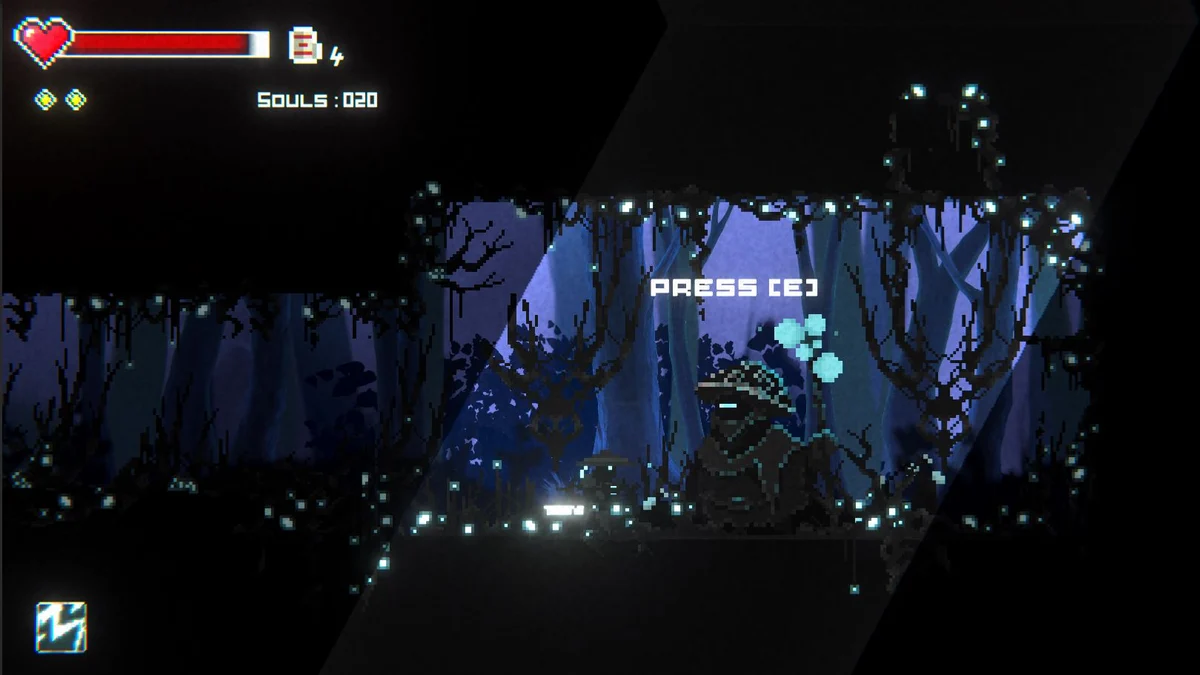
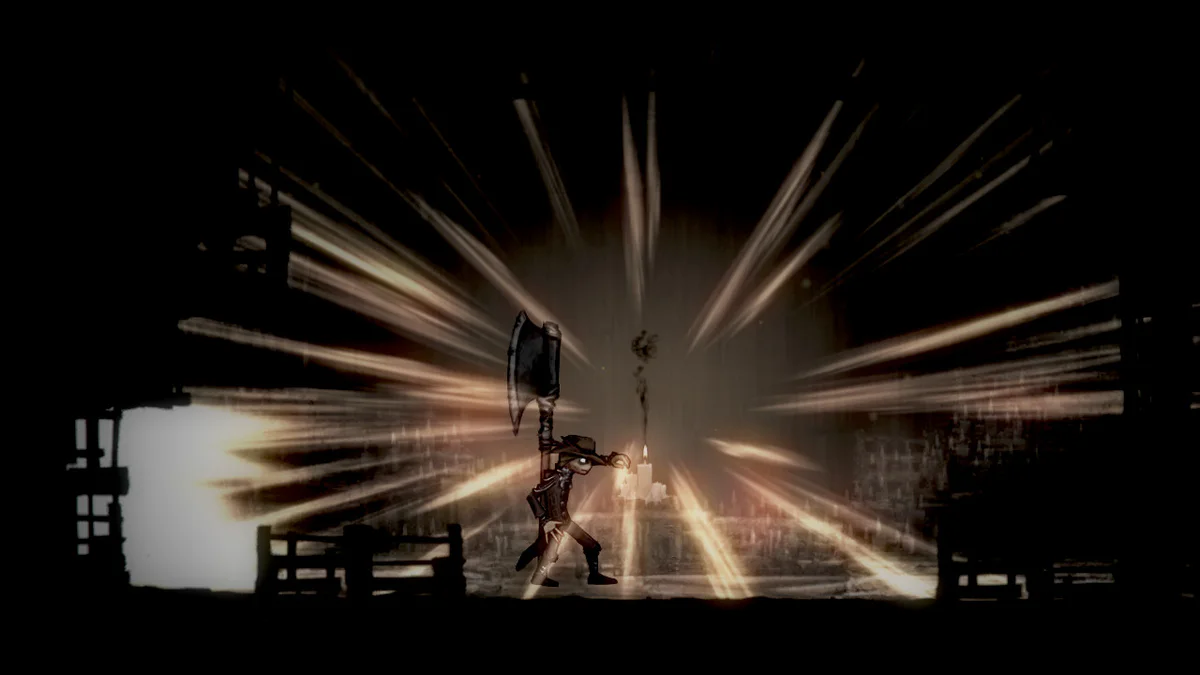
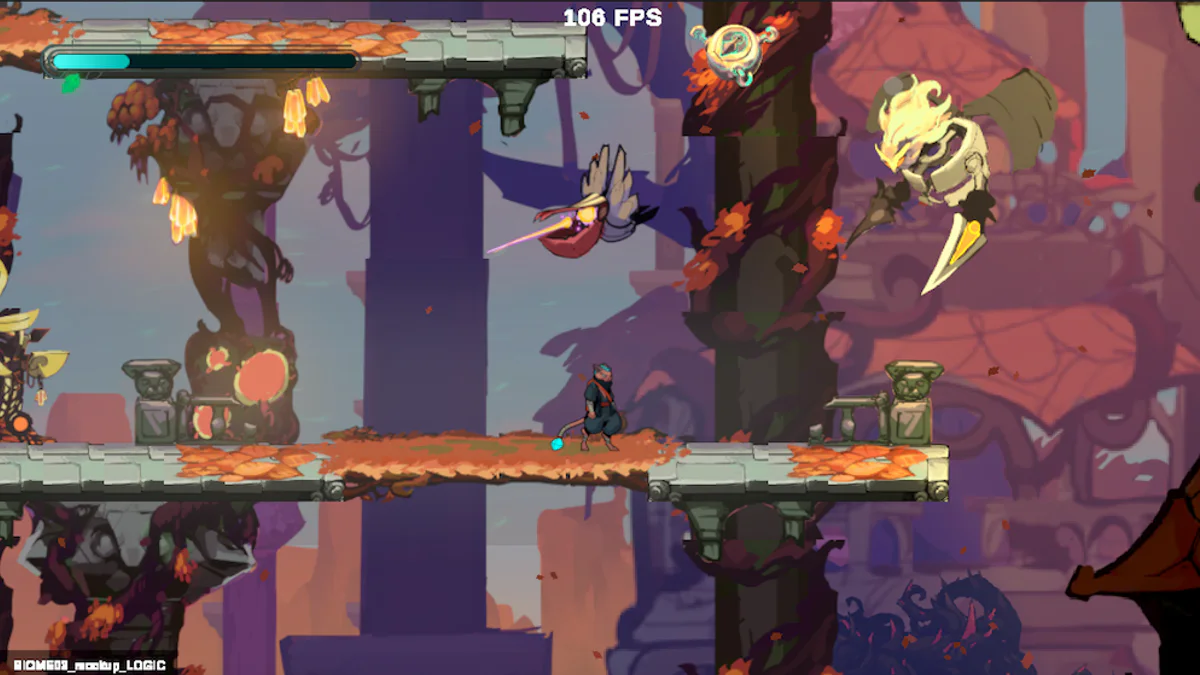
MazeBorn is one of the clearest small browser games in this collection to describe itself directly as Souls-like and Bloodborne-style. Built for PICO-8, it compresses that influence into a procedural maze where stamina, invincible dashing, limited healing, recurring enemies, and route decisions matter more than visual spectacle.
The creator also calls it suitable for fans of roguelike and Souls-like games, which is important context. MazeBorn is not a miniature copy of a FromSoftware world. It takes the ideas of repeated danger, stamina-aware combat, death, and learning and puts them inside a shifting maze that can literally reconfigure around the player.
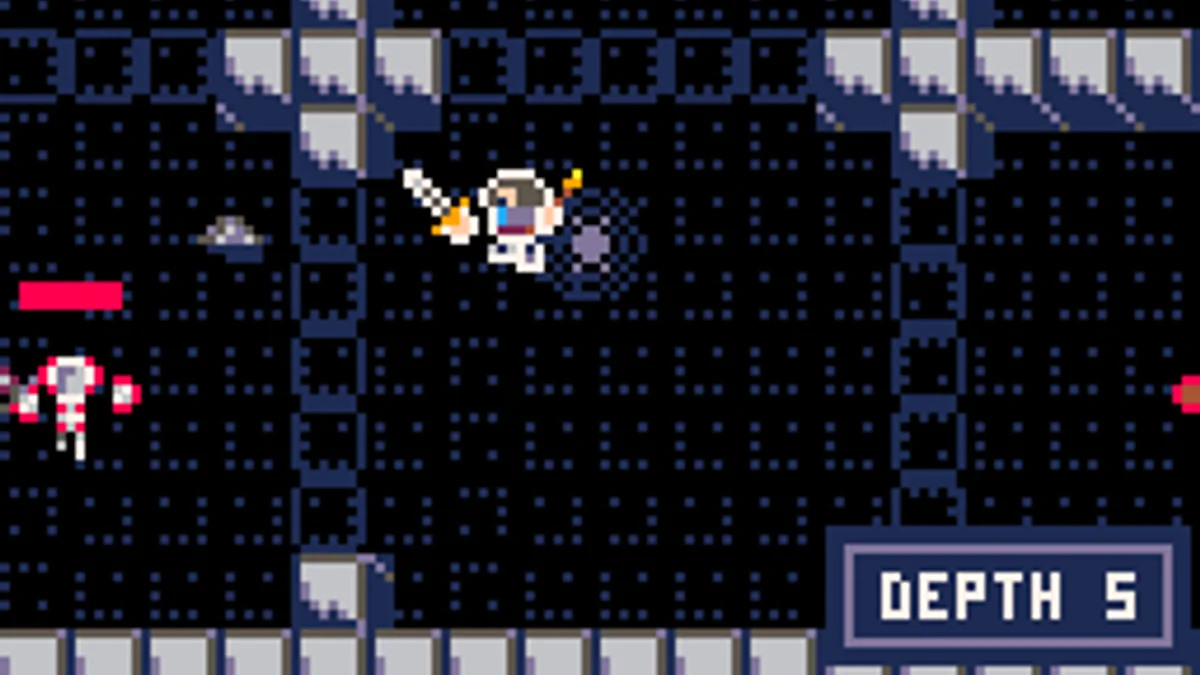
Can you play MazeBorn online?
Yes. The official itch.io page currently has an HTML5 version, and downloadable Windows, macOS, and PICO-8 files are also offered. The creator explicitly says the offline versions are faster, so browser play is best treated as the convenient option, not necessarily the highest-performance one.
Soulslike Wiki's Play interface uses the official itch.io project widget only after you choose to load it. The playable game remains on the creator's page, and the direct project link is always available.
The game is marked Released, with itch.io listing a March 2018 release date. The page highlights the updated 1.03 version and explains improvements including smoother player movement, a better camera, revised enemy AI, rebalanced gameplay, smaller mazes, and a treasure counter.
The maze is the main enemy
MazeBorn's defining idea is that the maze changes around you over time. Paths can close or open, and waiting can sometimes be as useful as moving. The creator's own tips say that you may want to stay still and watch for an opening—or gamble on rushing through before a gap closes.
That produces a different kind of route knowledge from a fixed Soulslike level. You cannot simply memorize one perfect hallway sequence. Instead, you learn the rules of the changing environment and combine that understanding with knowledge about persistent objects and enemy behavior.
The page notes that exits, items, and treasures stay put while the maze transforms, and enemy corpses remain even though enemies can be reborn with the maze. That contrast gives the player stable landmarks inside an unstable layout.
Stamina, dash, health potions
Three practical rules should shape your first runs.
First, watch stamina. The game explicitly ties treasured memories to increasing stamina, and the developer warns players to monitor the stamina bar. Treating movement and combat as unlimited actions is a quick way to lose control.
Second, dash has invincibility. The creator directly says to use it. New players often save defensive tools too long; in MazeBorn, the dash is meant to solve threatening moments. Learn the timing and use it deliberately when a lane closes or an enemy attack commits.
Third, healing is limited. You can carry up to nine health potions. That is generous enough to support a run but limited enough that careless attrition matters. Do not spend health just to avoid taking a slower path through the maze.
Treasure and leveling
The official tips say that collecting all treasures in a level lets you level up. Treasured memories also feed the fiction of restoring and expanding the player's mind. This makes exploration mechanically important even when the safest route to an exit seems obvious.
A strong run therefore balances survival and completeness. Rushing the exit may avoid combat, but leaving treasure behind can cost progression. Trying to clear every enemy is not automatically correct either—the creator explicitly reminds players that they do not always need to kill an enemy.
That is a useful Soulslike lesson in miniature: progress is often about choosing the right risk, not clearing every threat.
Roguelike structure versus Souls-like combat
MazeBorn sits at a real genre intersection. The procedural maze and repeating run-like structure point toward roguelikes, while stamina, timing, challenging combat, repeated enemy encounters, and a Souls-like/Bloodborne presentation point in another direction.
If your favorite part of Soulslikes is hand-authored interconnected level design, MazeBorn will feel very different because its maze is designed to change. If your favorite part is surviving through limited resources, learning enemy timing, and improving at a demanding loop after failure, the overlap is easier to see.
The PICO-8 limits are part of the identity. Small sprites and a constrained visual palette force the game to communicate state through clear movement, stamina, enemies, and map changes instead of elaborate animation.
Two endings and replay value
The official page says there are two endings. That gives exploration a larger purpose than simply reaching a single finish state. Because the maze is procedural, replaying also changes moment-to-moment navigation even after you understand the basic systems.
Do not expect dozens of hours of buildcraft. Itch.io lists the average session at about half an hour. MazeBorn is better approached as a focused retro challenge whose replay value comes from procedural layouts, execution, and pursuing its different outcomes.
Browser or offline version?
Start in browser if you want instant access. Move to the Windows, macOS, or PICO-8 version if performance matters or you plan to replay multiple times. The creator's own recommendation that offline versions are faster is a strong reason to switch if the web version feels sluggish.
Keyboard and Xbox controller are listed inputs. If you already use PICO-8, the .p8 version is also available, while executable versions avoid requiring the fantasy console.
For related games, browse 2D Soulslike games or return to the Play hub. To understand why MazeBorn legitimately belongs to both roguelike and Souls-like conversations, read Soulslike vs roguelike.