Soulslike and Soulsborne overlap, but they are not perfect synonyms. Soulslike is the broader genre label used for games that adopt major parts of the design language popularized by Demon's Souls and Dark Souls. Soulsborne is a community term usually used for FromSoftware's own Souls lineage, especially the Dark Souls games and Bloodborne.
The distinction is useful because a game can be clearly Soulslike without being a FromSoftware title. Lies of P, Lords of the Fallen, Nioh, and Another Crab's Treasure are examples of games that participate in the genre conversation without becoming part of the FromSoftware-developed Soulsborne lineage.
Short answer
Think of Soulsborne as a narrower family name and Soulslike as a wider design category.
Soulsborne commonly refers to games such as Demon's Souls, the Dark Souls trilogy, and Bloodborne. Depending on the speaker, Elden Ring and sometimes Sekiro may be included in the same family because they come from FromSoftware and share substantial design DNA.
Soulslike can include all of those games for discovery purposes, but it also extends to games from other developers that use similar combat, checkpoints, death-and-recovery systems, level design, boss learning, and indirect storytelling.
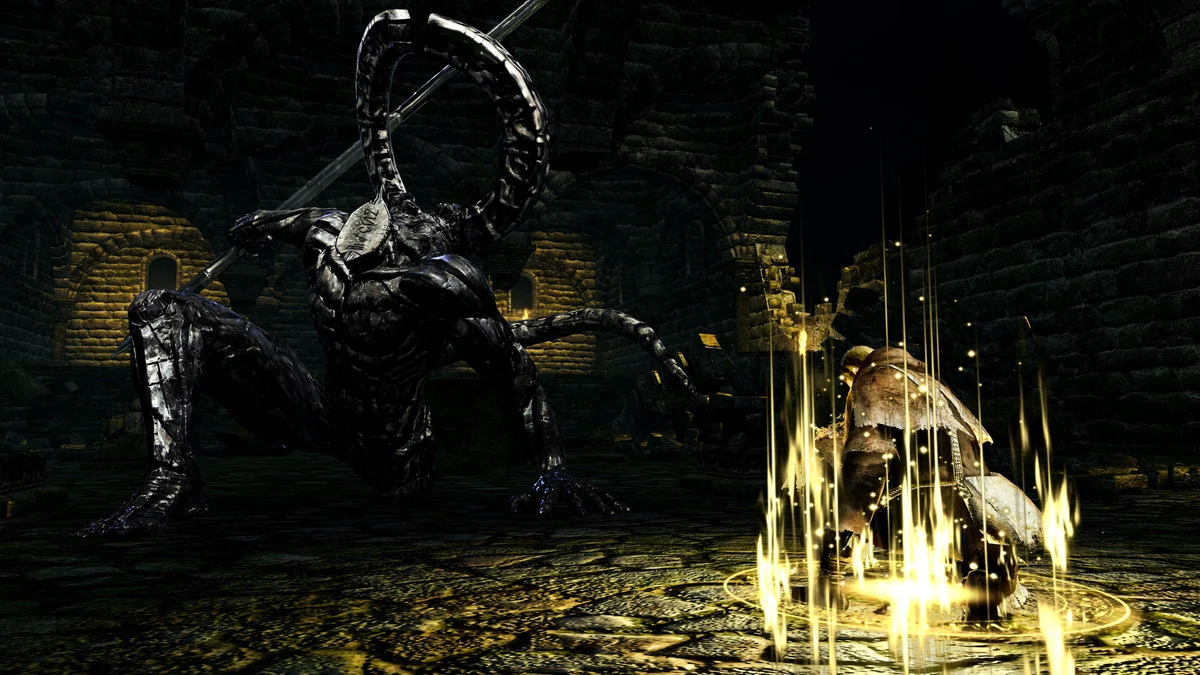
Where did Soulsborne come from?
The word is a portmanteau of Souls and Bloodborne. It became a convenient community label when players wanted to discuss FromSoftware's connected design tradition without writing Demon's Souls, Dark Souls, and Bloodborne every time.
It is not an official genre certification controlled by FromSoftware. Different communities use the word with slightly different boundaries. Some use it only for Demon's Souls, Dark Souls, and Bloodborne. Others extend it to Sekiro and Elden Ring because those games clearly evolved from the same studio's design philosophy.
That flexibility is why Soulsborne works best as a lineage term rather than a strict mechanical checklist.
Why Soulslike is broader
Soulslike describes games that meaningfully inherit systems or structures associated with Souls design. Those signals can include deliberate combat, checkpoint-based progression, enemies that reset, recoverable resources after death, difficult bosses, interconnected spaces, build experimentation, environmental storytelling, and a strong learn-through-failure loop.
A game does not need to be made by FromSoftware to use those ideas. Lies of P openly describes itself as a Soulslike, Another Crab's Treasure is marketed by its developer as a Soulslike adventure, and studios such as CI Games and Team NINJA have built their own interpretations around the same broader audience.
This is why Soulslike works better as the primary SEO and database term for Soulslike Wiki: it allows the site to cover the whole genre rather than only one studio.
Is Dark Souls itself a Soulslike?
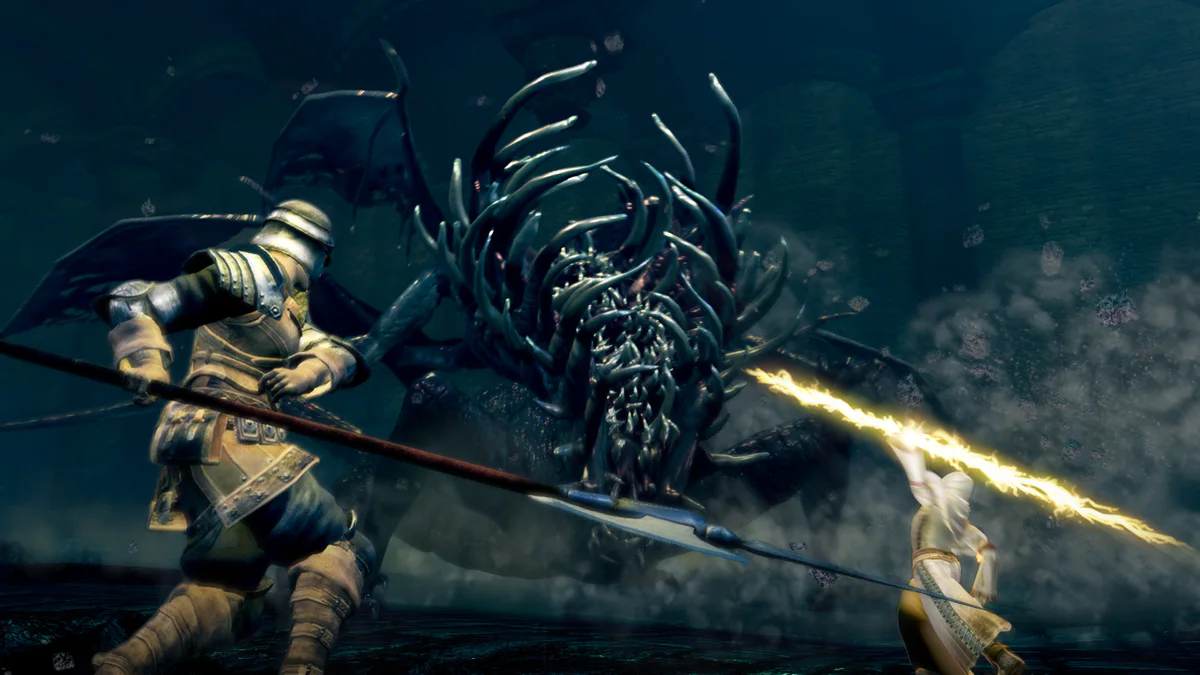
Semantically, saying Dark Souls is "like Dark Souls" sounds strange. Historically, however, genre labels often expand to include the works that established them. Search engines, storefronts, media, and players regularly use Soulslike as an umbrella that includes the FromSoftware games at the center of the genre.
For a discovery site, excluding Dark Souls from a Soulslike database would be less useful than acknowledging that it is both a source text and part of the modern category.
The same logic applies to Elden Ring, which expands Souls design into an open world while remaining one of the games most users expect to see under a Soulslike heading.
Where does Bloodborne fit?
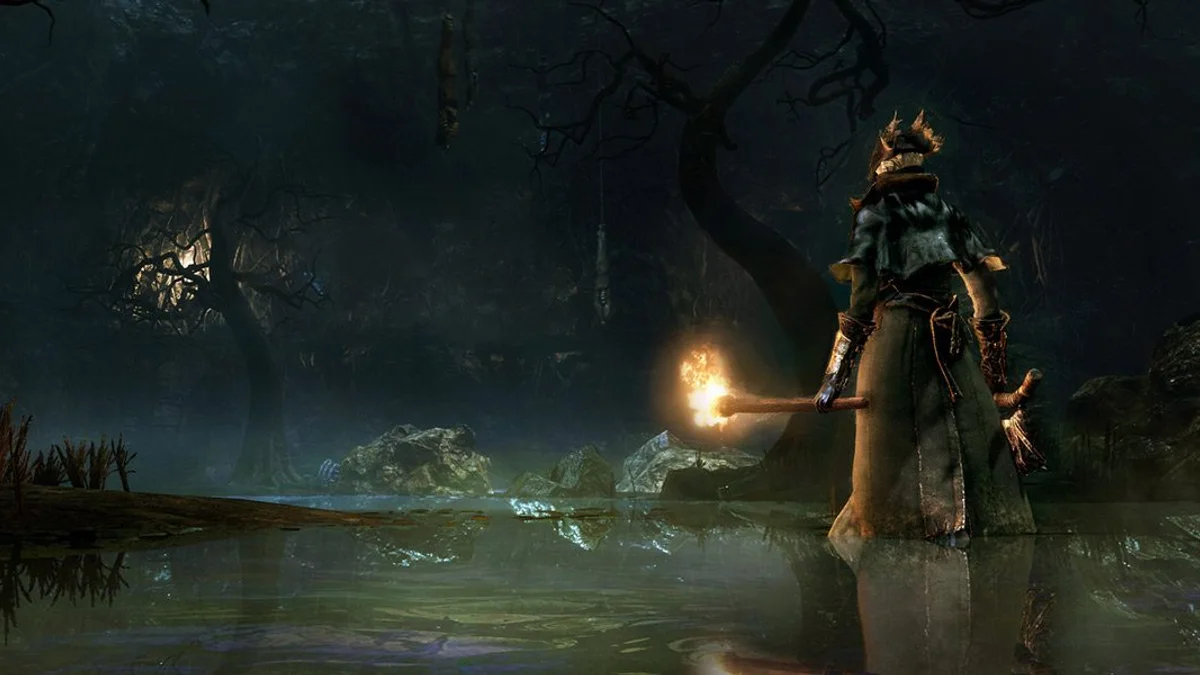
Bloodborne is the "borne" in Soulsborne and is one of the clearest reasons the term exists. It keeps checkpoints, difficult bosses, recoverable resources, indirect storytelling, and FromSoftware's encounter design while changing the combat toward aggression, Trick Weapons, firearm parries, and rally healing.
That combination shows why a lineage term can be useful. Bloodborne does not play exactly like Dark Souls, yet players recognize a strong family resemblance because the design philosophy is shared.
See Bloodborne for the game profile and games like Bloodborne for titles outside that lineage.
What about Sekiro?
Sekiro is the hardest boundary case because it removes many conventional RPG systems. There are no broad weapon classes, conventional character builds, traditional stamina management, or multiplayer. Its identity instead centers on deflection, posture, prosthetic tools, stealth, resurrection, and mastery.
Some players call Sekiro Soulsborne because it is a FromSoftware game with familiar checkpoint and boss-learning philosophy. Others keep Soulsborne narrower and call Sekiro Soulslike-adjacent.
Soulslike Wiki includes Sekiro in the wider discovery system while clearly explaining those differences rather than pretending every label has a universal border.
What about Elden Ring?
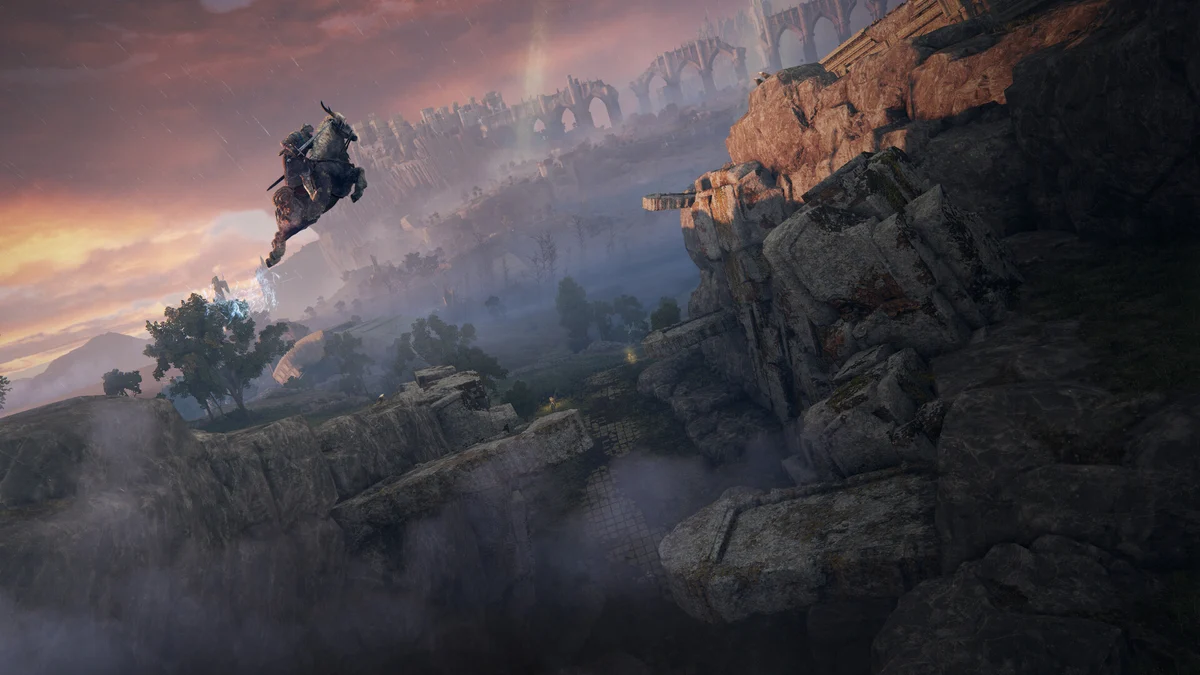
Elden Ring is much easier to place mechanically. It uses Sites of Grace, recoverable runes, character builds, weapon scaling, summons, difficult bosses, multiplayer, environmental storytelling, and many systems that directly evolve from Dark Souls.
Some communities now use broader terms such as Soulsbornekiro or Soulsborne-ring, but these names are less useful for search and classification. Calling Elden Ring part of the FromSoftware Souls lineage and also a central Soulslike is clearer.
Which term should you use?
Use Soulslike when describing the genre across different developers. Use Soulsborne when talking specifically about FromSoftware's Souls/Bloodborne family or its design lineage.
If you are writing about mechanics rather than ancestry, Soulslike is usually the more useful word. If you are comparing FromSoftware's own catalog, Soulsborne can be efficient shorthand.
The important thing is consistency. A site should not call Lies of P Soulsborne on one page and then define Soulsborne as FromSoftware-only somewhere else.
For the broader genre definition, see what is a Soulslike.