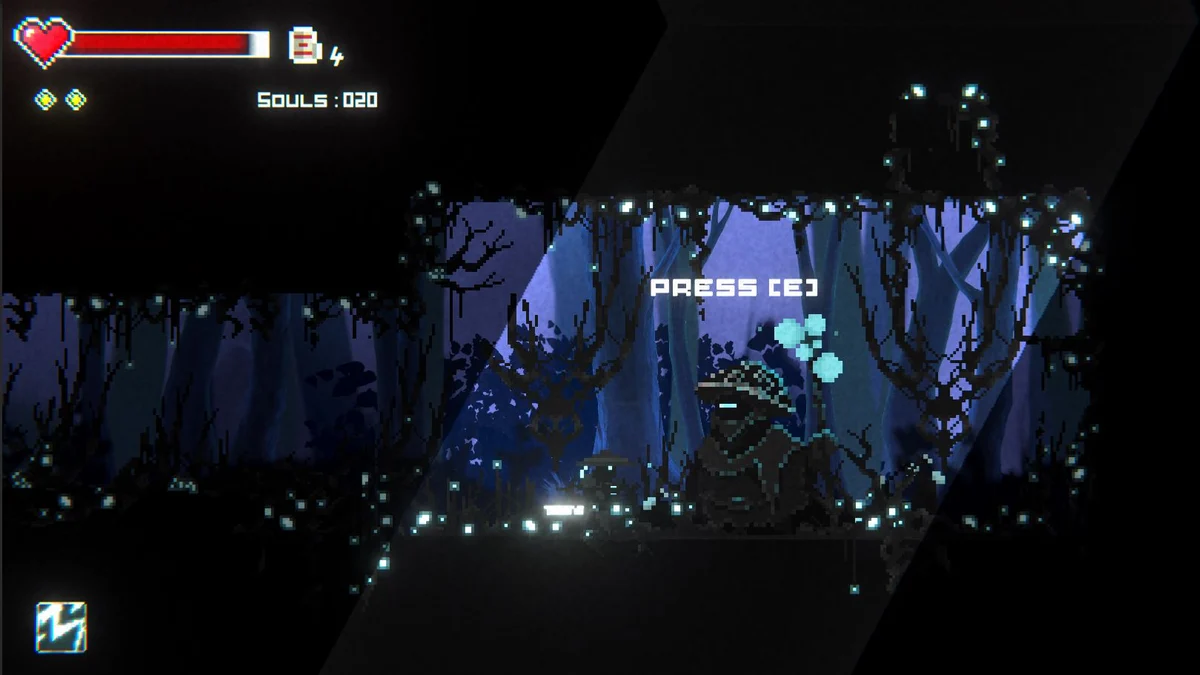
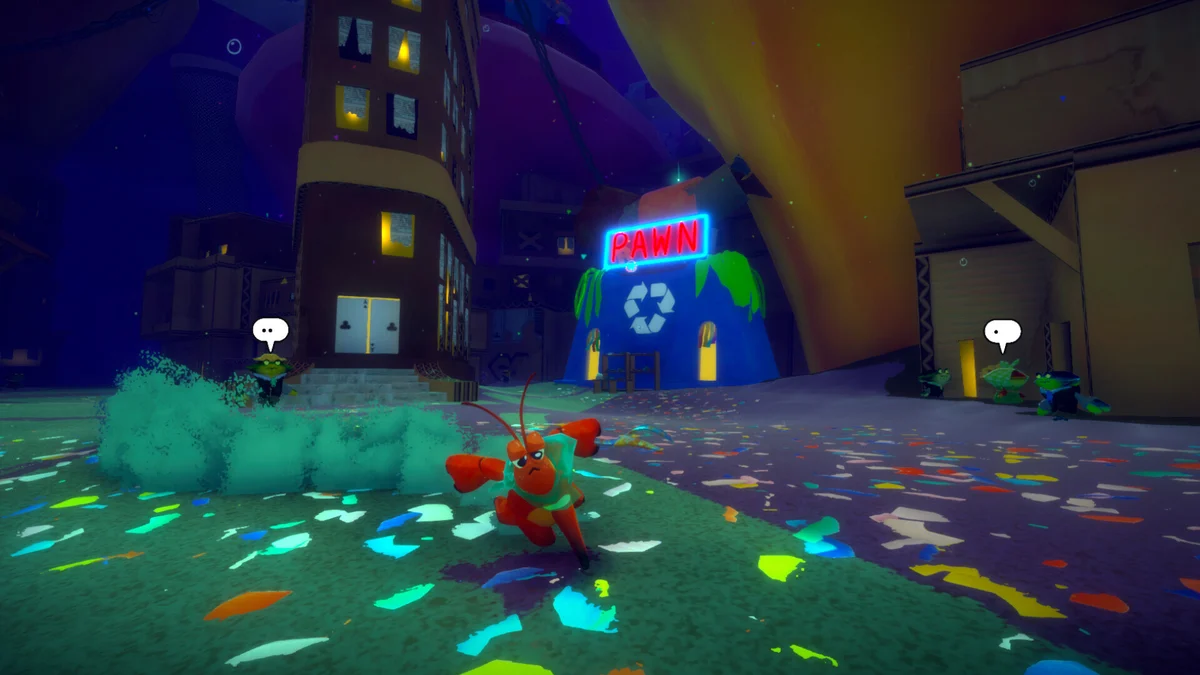
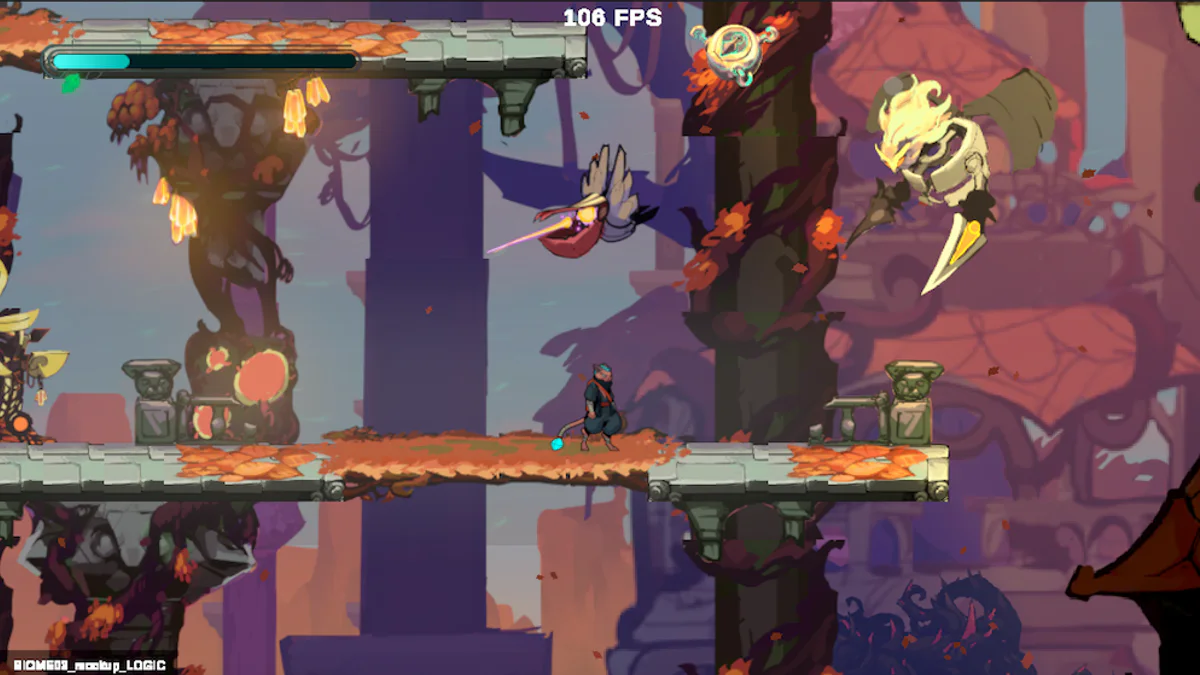
Certain Death is a first-person horror-survival prototype that the creators explicitly describe as souls-like. Instead of building that comparison around melee weapon combos, the demo focuses on learning a dungeon, surviving enemy patterns, unlocking doors, listening for danger, and escaping after repeated attempts.
The official page estimates a 15–30 minute completion time. That short scope is a strength for browser play: you can experience the entire concept in one sitting, and repeated runs make sense because knowledge of rooms, threats, and keys can reduce future completion time.
Can you play Certain Death in a browser?
Yes. The official itch.io page offers an HTML5 build plus Windows and macOS downloads. Soulslike Wiki can load the official itch.io project widget only after you click to load it; the playable runtime remains on the developer's page. The external project link is always available.
The page notes that the level can take a few seconds to load. Give the browser build time before refreshing. Controller support is listed alongside keyboard and mouse, including Xbox and PlayStation controllers.
The project is marked Prototype, so expect a focused demo rather than a complete commercial horror game.
Controls
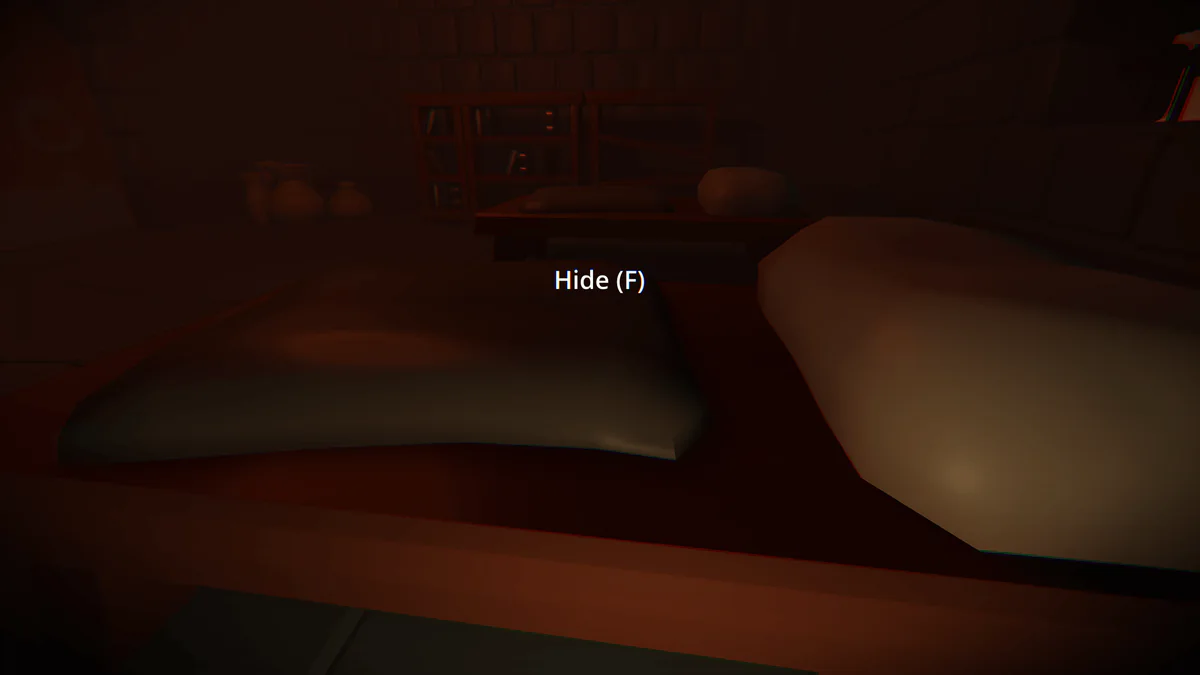
WASD moves. The mouse controls looking. Holding Shift with movement runs. Space jumps. F interacts. Those are the official keyboard controls published on the creator page.
That small input set tells you something important: the challenge is not memorizing combat combos. It is reading the dungeon and acting on information. Interaction matters because doors, keys, and navigation are part of the escape loop. Running matters because not every threat is meant to be fought directly.
If you use a controller, verify prompts and sensitivity early. The official page says controllers are supported, but the main control table is written for keyboard and mouse.
Listen, survive, escape
The page's three-word instruction—listen, survive, escape—is more useful than approaching Certain Death like a conventional action RPG. Sound cues are part of how you read danger. The dungeon asks you to recognize enemy patterns and move with purpose rather than wander indefinitely.
Repeated attempts therefore have a Soulslike quality even without a sword-and-shield moveset. A death can teach you where a route becomes dangerous, which doors matter, where a key may be needed, or how quickly you need to react to a cue.
The game rewards knowledge accumulation. A later run can be faster not because the character has gained twenty levels, but because you understand the dungeon better.
Horror changes the Souls-like formula
Certain Death is tagged Dungeon Crawler, Horror, Survival Horror, Singleplayer, and Souls-like. The first-person perspective puts more emphasis on limited information. You cannot see an arena from above, and danger can arrive through sound before it becomes visually clear.
That changes how pattern learning feels. In a boss-focused Soulslike, you may study animation wind-ups. Here, you may be learning environmental and audio signals. The shared design idea is that failure should make the next attempt more informed.
This is why the prototype is better described as a genre hybrid than a first-person Dark Souls clone.
How to approach the first run
Do not optimize for speed immediately. Use the first run to identify the dungeon's structure, doors, interaction points, and major threat cues. Running everywhere may shorten traversal, but it can also make you miss environmental information.
When you die, ask what you learned. Did you enter a room without recognizing a warning? Did you spend too long searching in a dead end? Did you miss a key route? Treat each attempt as reconnaissance until the dungeon starts to feel predictable.
Once the route becomes familiar, faster clears become a natural secondary goal. The short expected duration makes that replay loop practical.
Prototype caveats
The creator page and public comments make it clear that this is still a prototype. Community feedback mentions rough edges in audio balance, visual cues, pause behavior, and collision. Those are player reports rather than guaranteed bugs on every system, so Soulslike Wiki does not present them as universal facts. They are useful only as evidence that the build should be approached as an experiment still open to iteration.
The developers have responded positively to detailed feedback and have discussed the possibility of iterating, but there is no need to assume a full version or release date. Play what exists now.
The page also contains a long asset-credit list, including Creative Commons material and other sources. T17 reviewed the rights situation for Soulslike Wiki and did not treat those credits as permission to copy the game's promotional images or runtime onto this site.
Browser, Windows, or macOS?
Browser is the quickest way to understand the concept. If loading or input behavior is inconsistent, try the native Windows or macOS download from the official page. The macOS instructions note that you may need to approve the app through System Settings → Privacy & Security.
For a 15–30 minute prototype, there is little downside to starting in the browser. Move to native only if technical friction gets in the way.
Who should try Certain Death?
Try it if you like short horror demos, first-person dungeon navigation, pattern learning, speedrun-friendly repetition, and unusual interpretations of the Souls-like label. It is especially interesting if your favorite part of difficult games is learning a space rather than optimizing a character build.
Skip it if you want a full RPG, traditional melee Souls combat, or a polished long campaign. The creator calls it a prototype and that is the correct expectation.
For other creator-hosted browser games, use the Play hub. To compare this learning-through-failure structure with more conventional examples, read What is a Soulslike?.