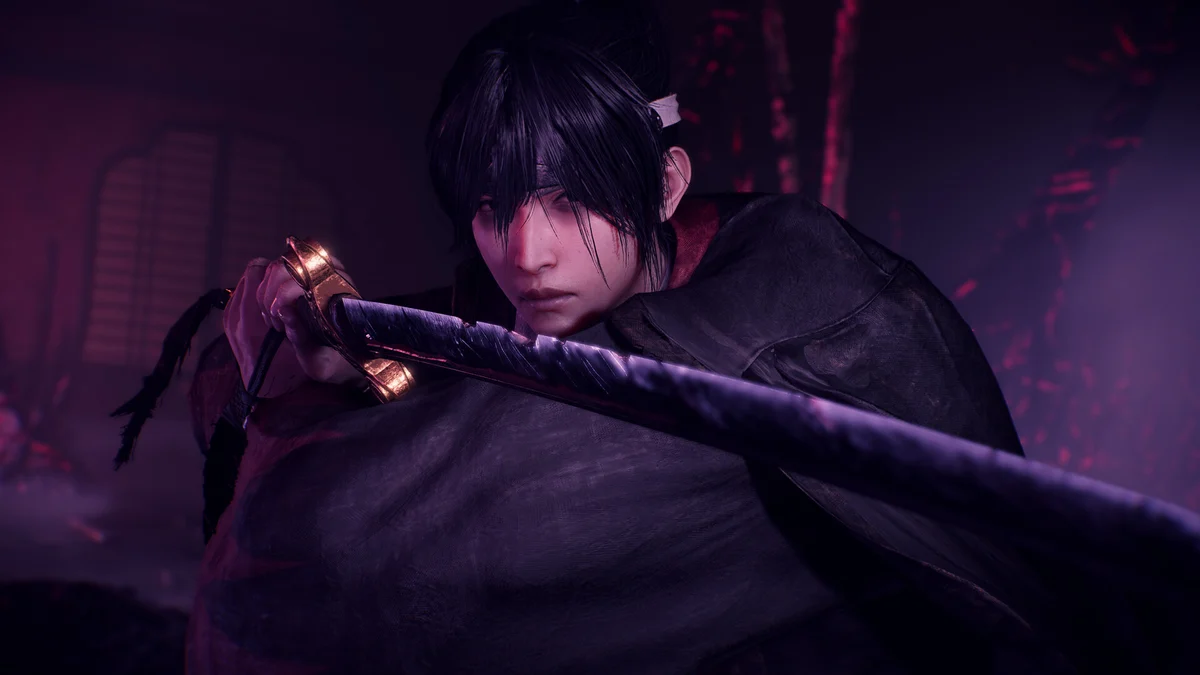
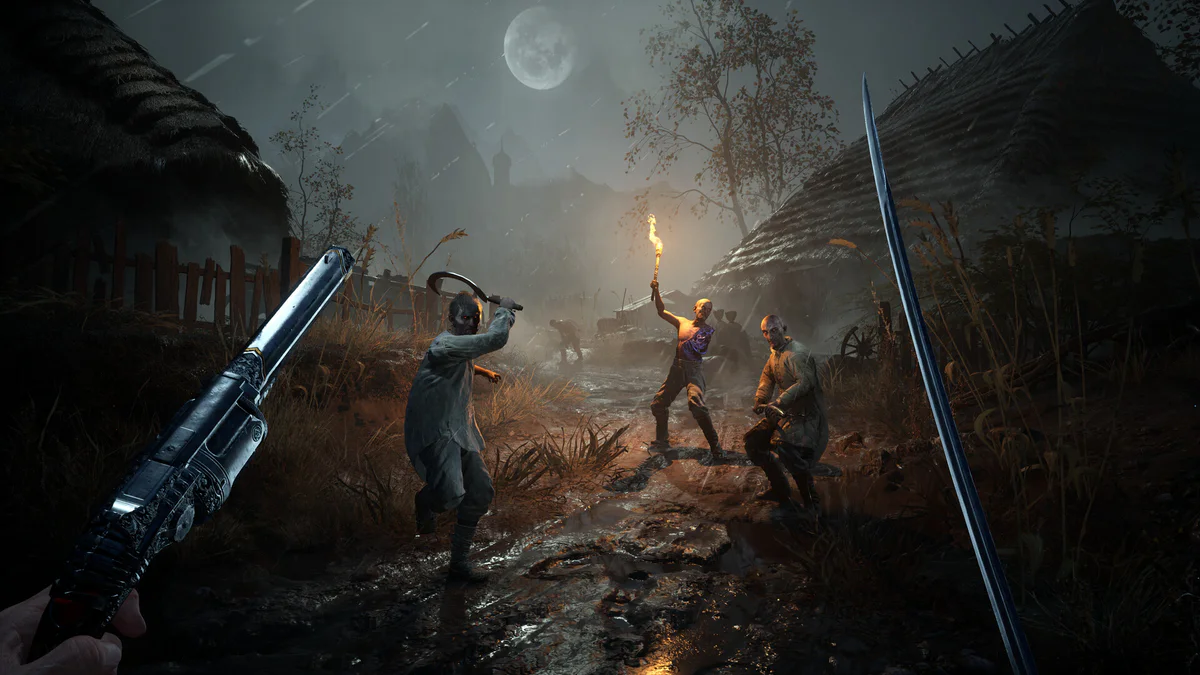
Mortal Shell II is Cold Symmetry's standalone sequel to Mortal Shell, released worldwide on August 20, 2026 for PlayStation 5, Xbox Series X|S, and PC via Steam. Playstack describes it as a substantially expanded action RPG with unrestricted high-stakes combat, deeper weapons, and free exploration across a deliberately compact interconnected open world.
The sequel keeps the series' defining idea—possessing the bodies of fallen warriors called Shells—while widening the world and changing a major Soulslike convention: combat is not restricted by a traditional stamina system.
Quick facts
- Developer: Cold Symmetry
- Publisher: Playstack
- Release date: August 20, 2026
- Platforms: PS5, Xbox Series X|S, PC/Steam
- Mode: Single-player
- World: Interconnected open world designed to be expansive but compact
- Core systems: Shell possession, weapons, upgrades, sidearms, dungeons, high-stakes combat
- Steam Deck: Currently listed as Playable on Steam
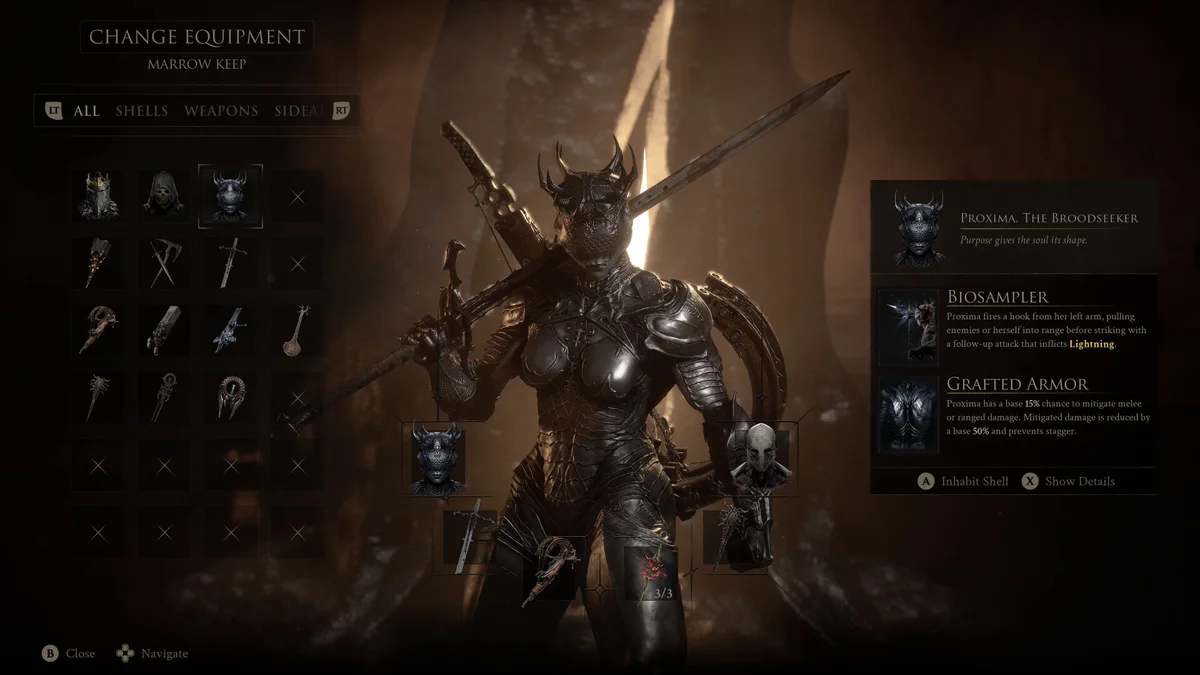
Shells replace a conventional class screen
The dormant forms of warriors are scattered through the world. Finding and possessing a Shell gives the player access to that warrior's innate strengths and abilities, effectively turning character archetypes into physical discoveries.
This makes build identity feel grounded in exploration. Instead of creating one hero and only changing stats, the player can inhabit different bodies whose strengths shape combat decisions.
The system also keeps Mortal Shell visually distinctive. Your character build is not just a menu configuration; it is tied to the literal body being worn.
A compact open world
Playstack describes the sequel's world as interconnected, expansive, and deliberately compact so it can respect the player's time. The publisher also advertises more than sixty dungeons and hidden structures.
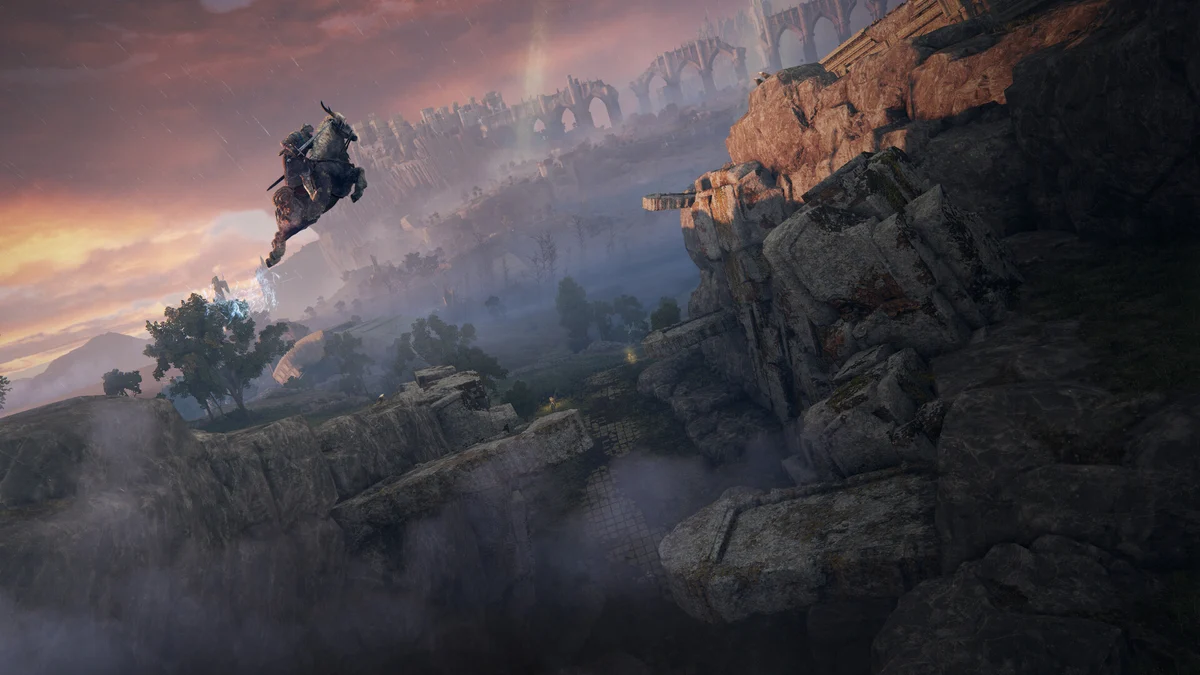
That makes Mortal Shell II a useful alternative to Elden Ring for players who want exploration freedom without another enormous map. The goal is density rather than maximum square mileage.
For comparisons focused entirely on world structure, see open-world Soulslike games.
Combat without a traditional stamina bar
The most provocative design choice is unrestricted combat. Stamina management is one of the mechanics most associated with Soulslikes because it limits attacking, blocking, and dodging. Mortal Shell II deliberately removes that familiar restriction.
That does not mean combat becomes consequence-free. Positioning, enemy pressure, Shell abilities, weapon choices, recovery windows, and encounter knowledge still shape risk. The change simply shifts the resource problem away from a universal stamina meter.
This makes the game a useful example when defining the genre: a Soulslike can change one classic mechanic if the larger loop of dangerous encounters, exploration, learning, progression, and mastery remains intact.
What replaces stamina pressure?
Without a traditional stamina meter, the designer has to create commitment elsewhere. Attack animations still have timing, enemies can punish poor spacing, recovery windows can expose the player, and hardening or Shell-specific abilities create their own tactical decisions.
The result can feel more aggressive than early Dark Souls while still demanding judgment. Removing one resource does not remove the need to decide when to attack, when to disengage, and how to respond to an enemy pattern.
That distinction is important because genre definitions built around one mechanic become fragile. The Soulslike identity is stronger when it describes a relationship between risk, checkpoints, progression, encounter mastery, and player learning.
Weapons and sidearms
Playstack describes deeper weapon design with extensive upgrade options and sidearms. The broader arsenal lets players build around different forms of aggression instead of treating every Shell as a fixed moveset.
A compact world combined with numerous dungeons also gives weapon discovery and upgrades a strong exploration role. The player is encouraged to search not only for lore or currency but for tools that materially change how fights can be approached.
Single-player focus
Current Steam and PlayStation pages list Mortal Shell II as single-player. Players specifically searching for co-op should therefore look at Lords of the Fallen, Elden Ring, Nioh 3, Remnant II, or other entries in co-op Soulslike games.
A focused single-player structure can be an advantage for players who want encounter balance and world progression designed around one character rather than online assistance.
Open Beta and free trial are not the full game
Steam and PlayStation currently expose an Open Beta or trial-style entry that allows players to sample the opening portion of Mortal Shell II. That is useful for testing combat feel, but it should not be confused with the full commercial release.
Trial availability can also change. A page that says a game is free because a beta exists risks becoming inaccurate as soon as the test closes. Soulslike Wiki therefore separates permanent platform availability from temporary demos and betas.
If price is your main concern, use free Soulslike games for currently verified free options.
A recent 2026 release
Because Mortal Shell II only launched in August, pre-release previews should no longer be treated as current status. It belongs in new Soulslike games as an available game rather than upcoming Soulslike games.
The release is recent enough that balance changes and patches still matter. Current storefront and publisher information should take priority over preview impressions from early builds.
Platform-specific notes
The PlayStation store lists the game for PS5 and notes PS5 Pro enhancement. Steam currently labels the PC release as Steam Deck Playable rather than Verified. Xbox lists the game for Series X|S.
Those details make the game a current-generation release rather than a cross-generation title, which matters for players still using PS4 or Xbox One hardware.
Who should play Mortal Shell II?
Choose it if you want a current dark-fantasy Soulslike with a compact open world, physical Shell-based character identities, numerous dungeons, and combat that rejects a conventional stamina limit.
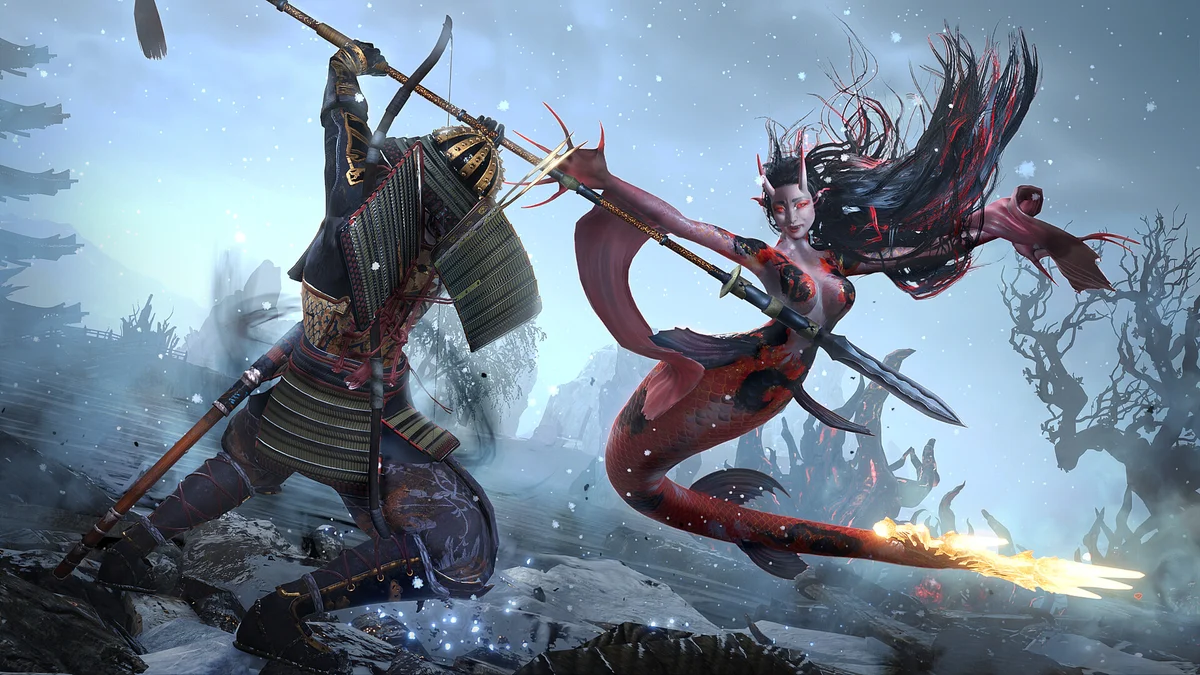
Players who want a giant open-world sandbox should compare Elden Ring. Players who want co-op should compare Lords of the Fallen. Players who want dense action systems and loot should compare Nioh 3.
For the full 2026 landscape, see Soulslike games in 2026.