Open-world Soulslikes are not simply difficult action RPGs with a large map. The useful distinction is whether exploration changes how the player approaches challenge. A true open-world or open-field Soulslike should let you discover optional encounters, resources, upgrades, shortcuts, side areas, and alternate routes that meaningfully affect progression.
Elden Ring is the obvious reference point, but the category has become broader in 2026. Nioh 3 uses large open fields rather than copying the Lands Between, while Mortal Shell II describes a compact interconnected open world designed around dense exploration rather than sheer geographic scale.
What makes an open-world Soulslike work?
The best examples balance freedom and pressure. If the world is too empty, exploration becomes travel time. If every route is mandatory, the open structure becomes cosmetic. Soulslike design works best when the map gives you strategic choices: leave a boss, find upgrade materials, discover a new weapon, unlock a shortcut, fight an optional enemy, or approach a region from another direction.
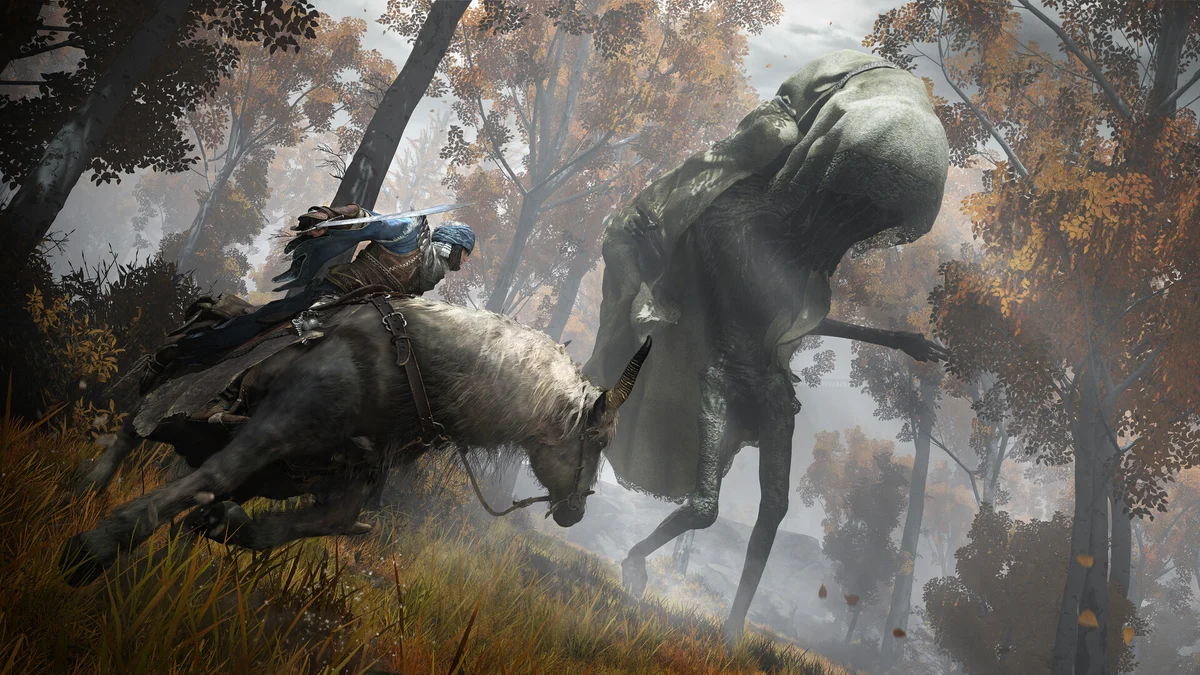
The other key factor is world density. Souls games traditionally reward attention with hidden doors, elevators, shortcuts, NPC encounters, item placement, and environmental storytelling. Expanding that design into a larger space only works when exploration still produces meaningful discoveries.
Elden Ring: the reference point
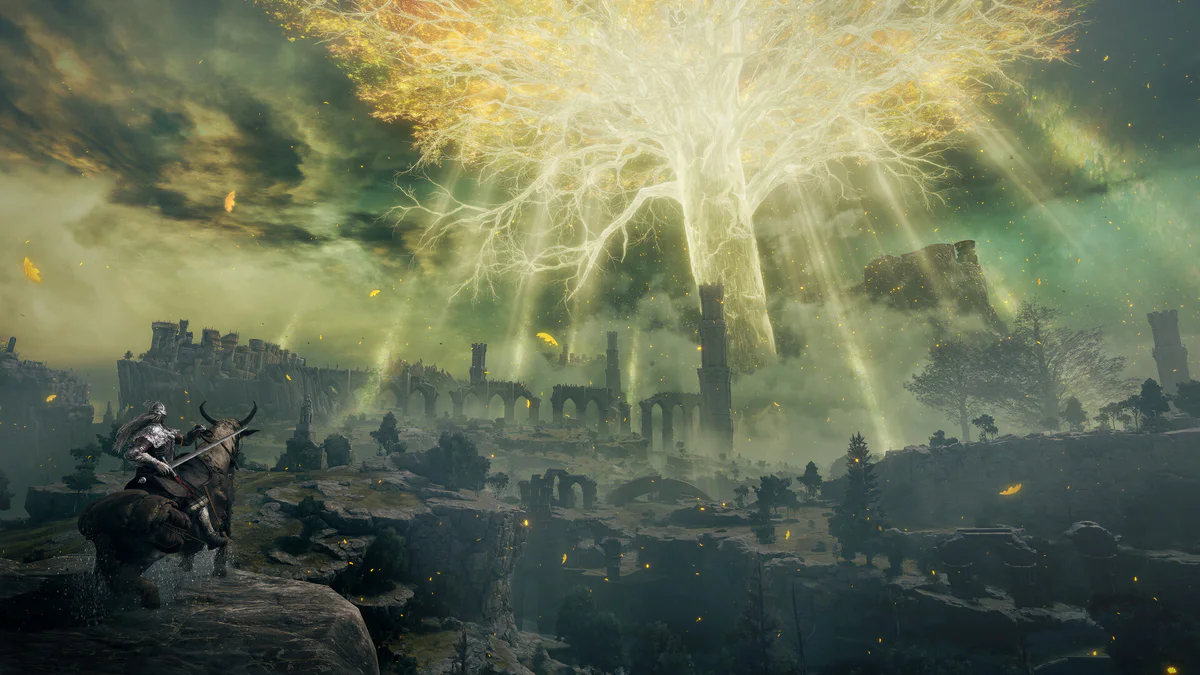
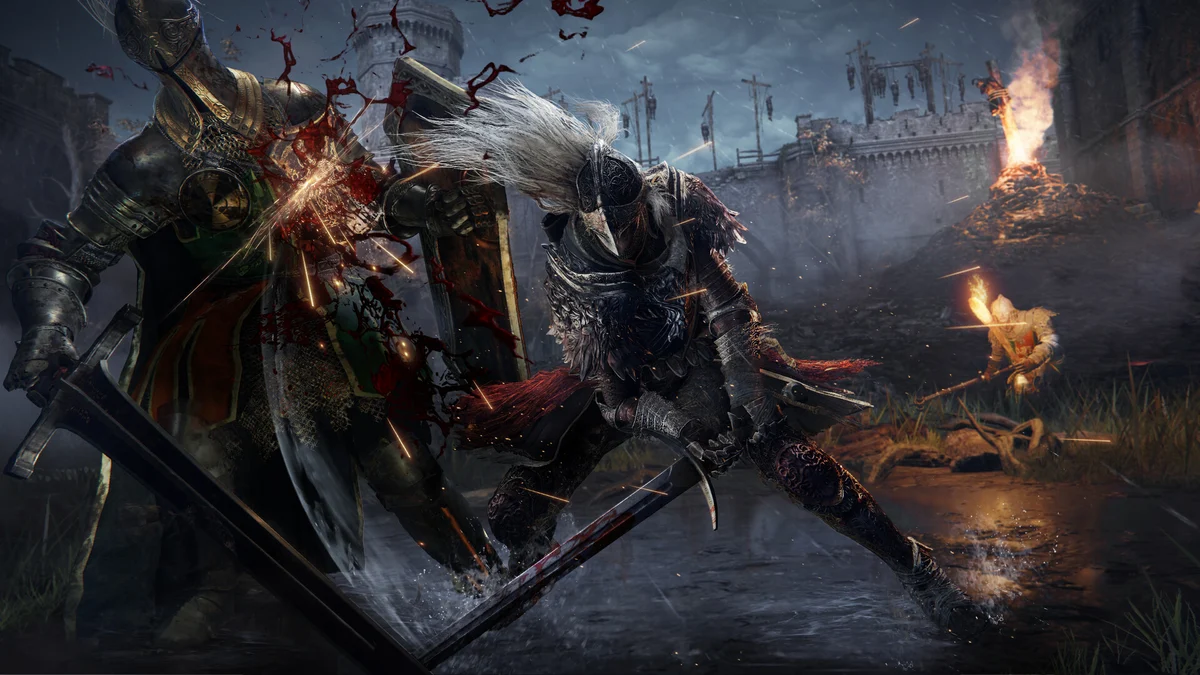
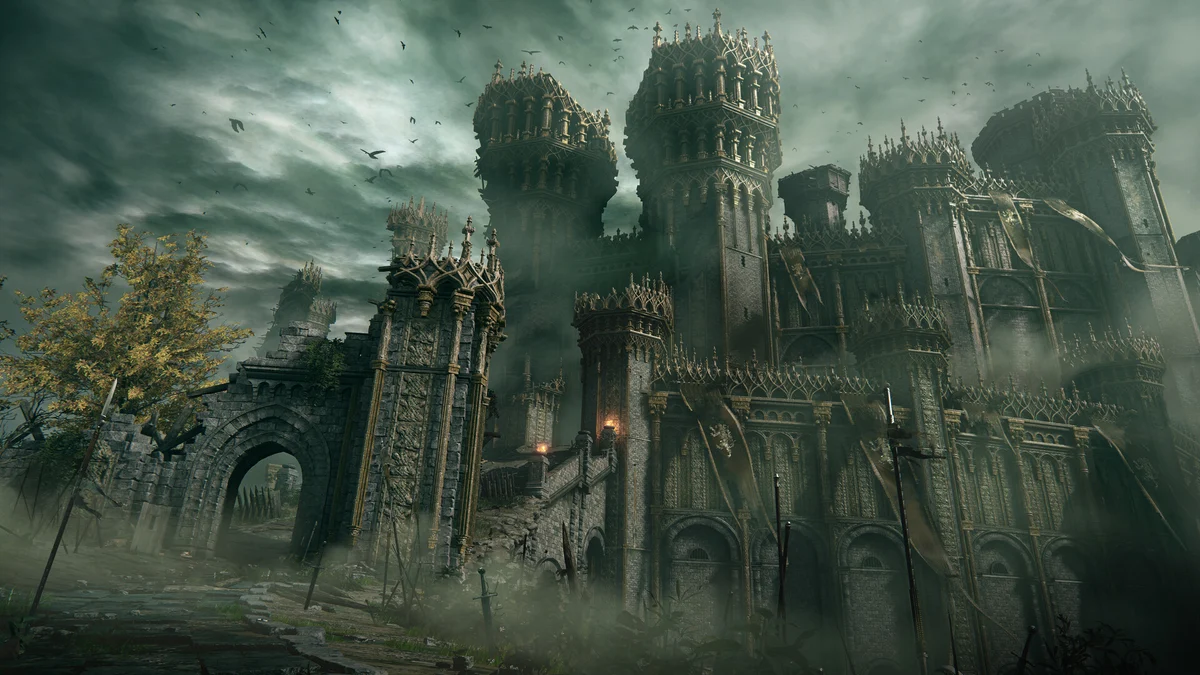
Bandai Namco explicitly categorizes Elden Ring as an open-world action RPG. The Lands Between combines large exterior regions with denser legacy dungeons, caves, catacombs, ruins, field bosses, optional areas, and hidden routes.
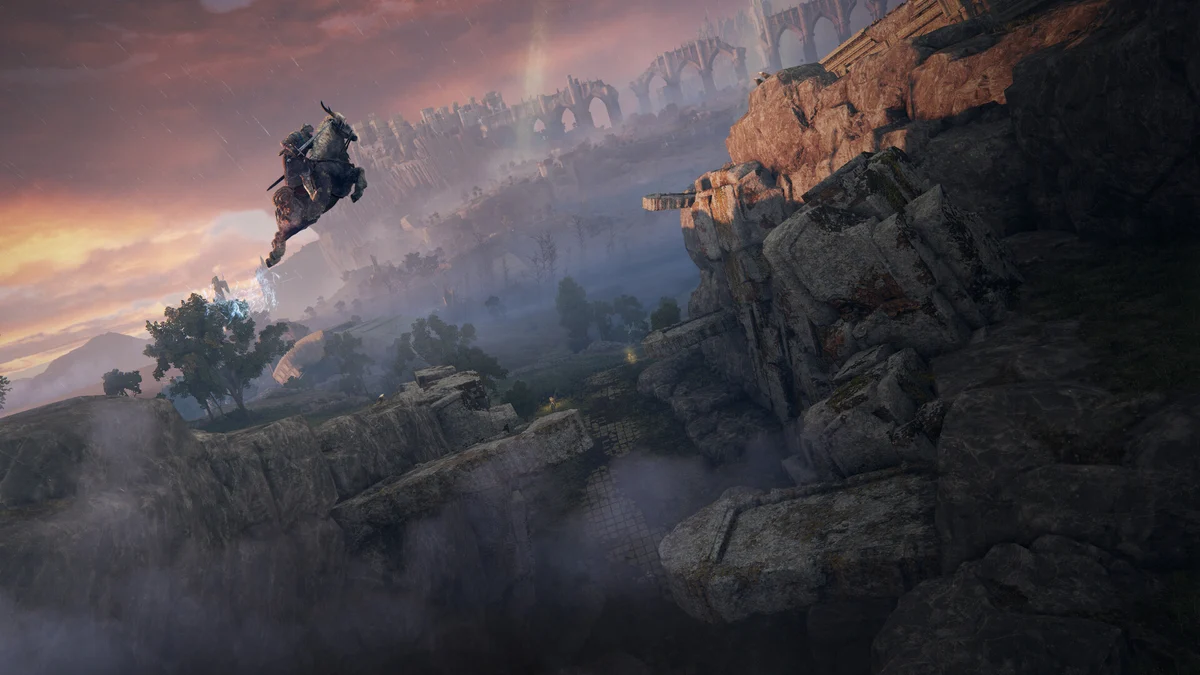
Its most important open-world feature is difficulty routing. When one encounter becomes a wall, the player can leave, explore, upgrade, change equipment, find Spirit Ashes, level elsewhere, or discover another region entirely. The world is therefore part of the difficulty system rather than a background container.
That flexibility is one reason Elden Ring appears in our Soulslike games for beginners guide even though many individual bosses are demanding. See the full Elden Ring profile for multiplayer, platforms, and build information.
Nioh 3: open fields instead of one giant map
KOEI TECMO describes Nioh 3 as an open-field game where players can freely explore while maintaining the tension associated with the Nioh series. That wording is useful because not every large Soulslike needs to use the same world model.
Nioh 3 keeps Team NINJA's dense combat and loot systems while expanding exploration across historical eras and broader environments. The game still emphasizes encounters, yokai, the Crucible, villages, gear, and Samurai/Ninja style switching rather than making traversal itself the primary attraction.
Players who want open exploration but prefer mechanically dense combat may find Nioh 3 more appealing than Elden Ring.
Mortal Shell II: compact open world
Playstack describes Mortal Shell II as an immersive, interconnected open world that is expansive but deliberately compact. The publisher also says the world includes more than sixty dungeons, multiple Shells, weapons, sidearms, upgrades, and hidden structures.
That makes it a valuable counterexample to the idea that open world means maximum map size. A compact world can support Soulslike design well when routes overlap, discoveries are dense, and exploration respects the player's time.
Mortal Shell II also removes a traditional stamina limitation from combat, showing that the genre can change both world structure and moment-to-moment systems without losing its broader risk-and-learning identity.
Does Dark Souls count as open world?
Usually not in the modern marketing sense. Dark Souls has an interconnected world with multiple routes, shortcuts, optional areas, and substantial freedom, but it is not structured like a broad exterior open world.
That distinction matters because players searching for open-world Soulslikes usually want the ability to roam large regions and choose distant objectives, not only an interconnected level network. Dark Souls remains foundational, but we keep it in the general Soulslike games database rather than using it as the main example for this category.
Open world vs open field
Publishers use these terms differently. We treat open world as broad free-roaming structure and open field as larger explorable spaces that may still connect through more directed progression. What matters for the player is not the label itself but the practical freedom it creates.
Ask whether you can change routes, discover meaningful optional content, postpone difficult encounters, and build strength through exploration. Those questions are more useful than arguing about the exact map taxonomy.
Best choice by preference
Choose Elden Ring if you want the broadest exploration freedom and build variety. Choose Nioh 3 if you want open-field movement combined with complex action systems and loot. Choose Mortal Shell II if you want a darker, more compact interconnected world with dense dungeons and Shell-based progression.
If open-world discovery is specifically what you liked about Elden Ring, continue to games like Elden Ring. For recommendations that are not limited by world structure, use best Soulslike games.